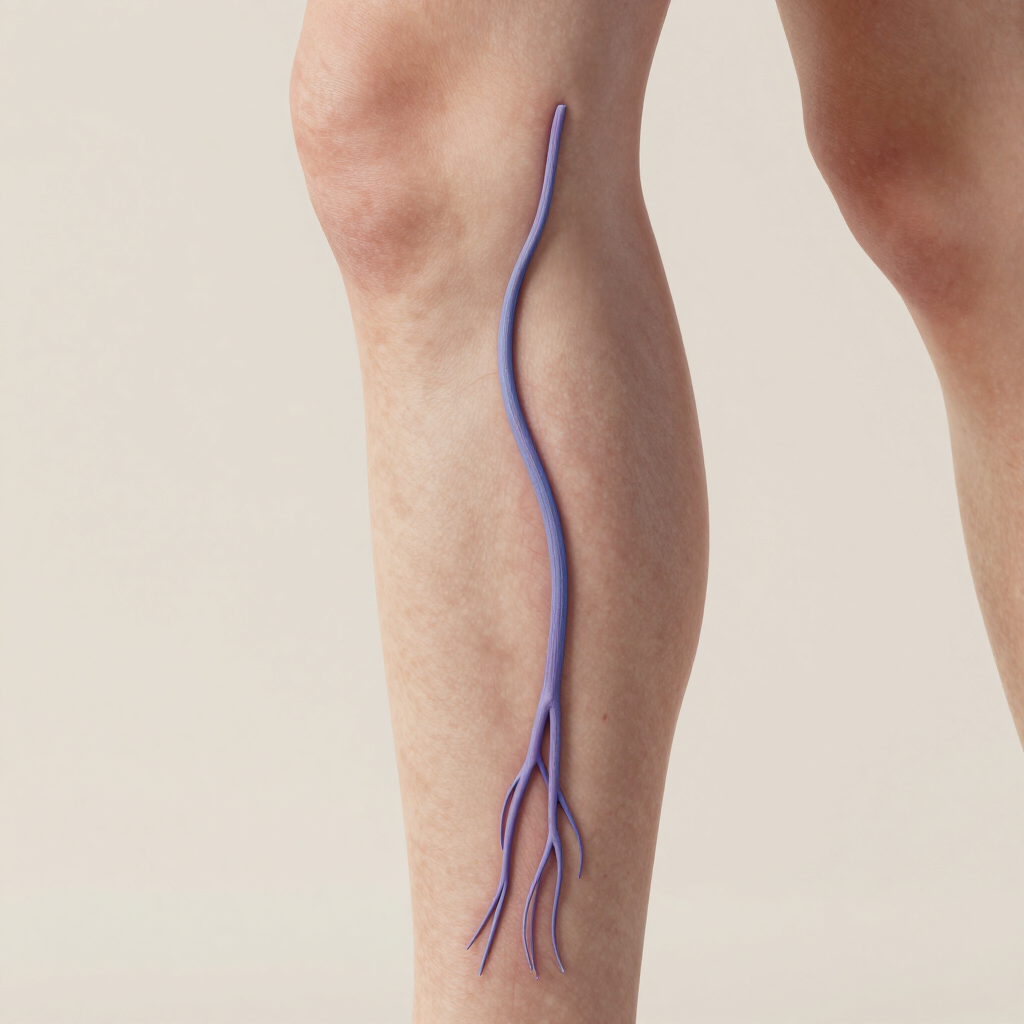

Why Are My Legs Swelling? 5 Signs to Seek Care in St. Augustine

July 1, 2026

Share this article

Leg swelling in St. Augustine is often caused by fluid retention (edema) resulting from chronic venous insufficiency, where leg veins fail to return blood to the heart effectively. Persistent swelling, especially when accompanied by pain or skin changes, requires evaluation by a vein specialist to prevent complications.

Why are my legs swelling so much lately?

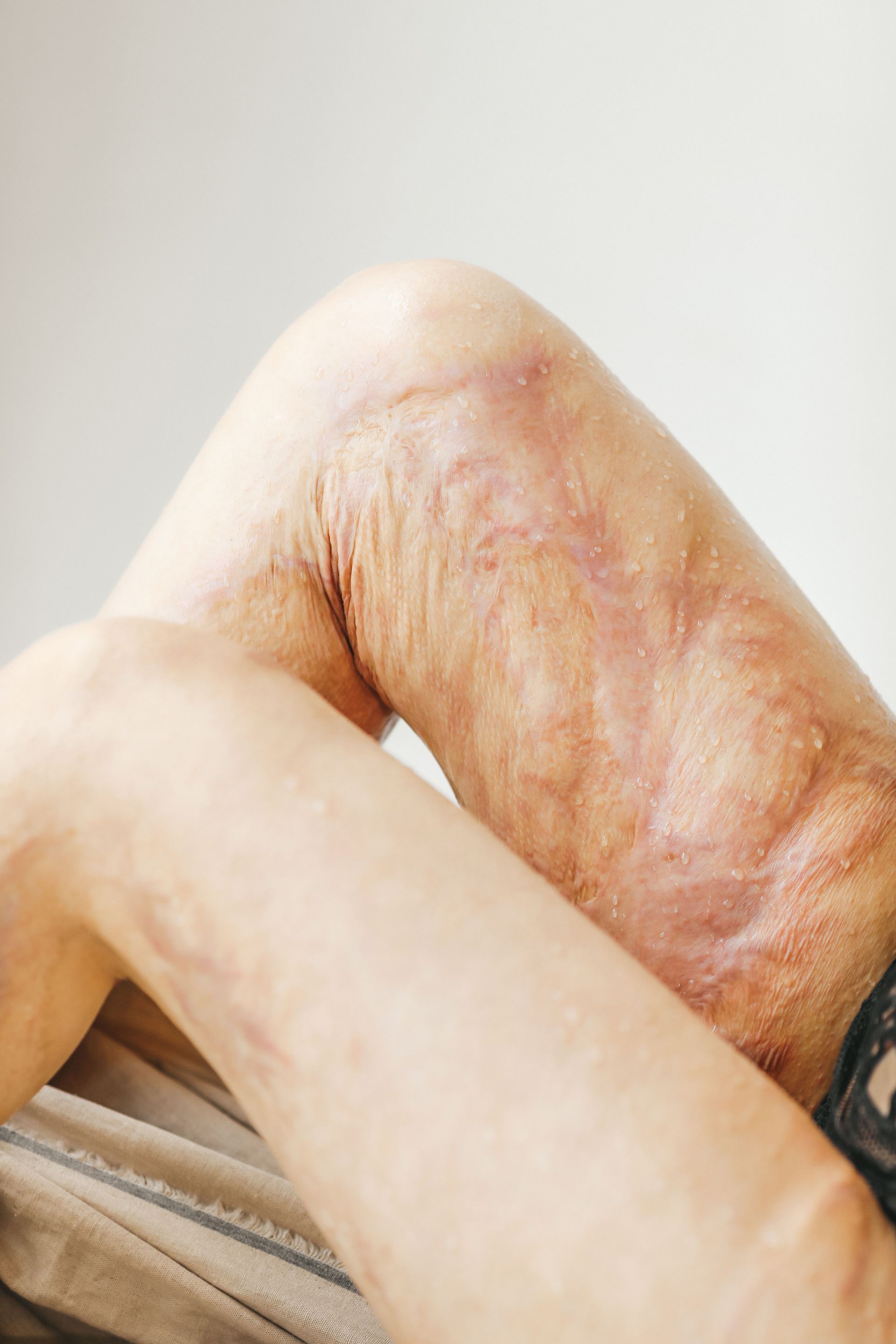
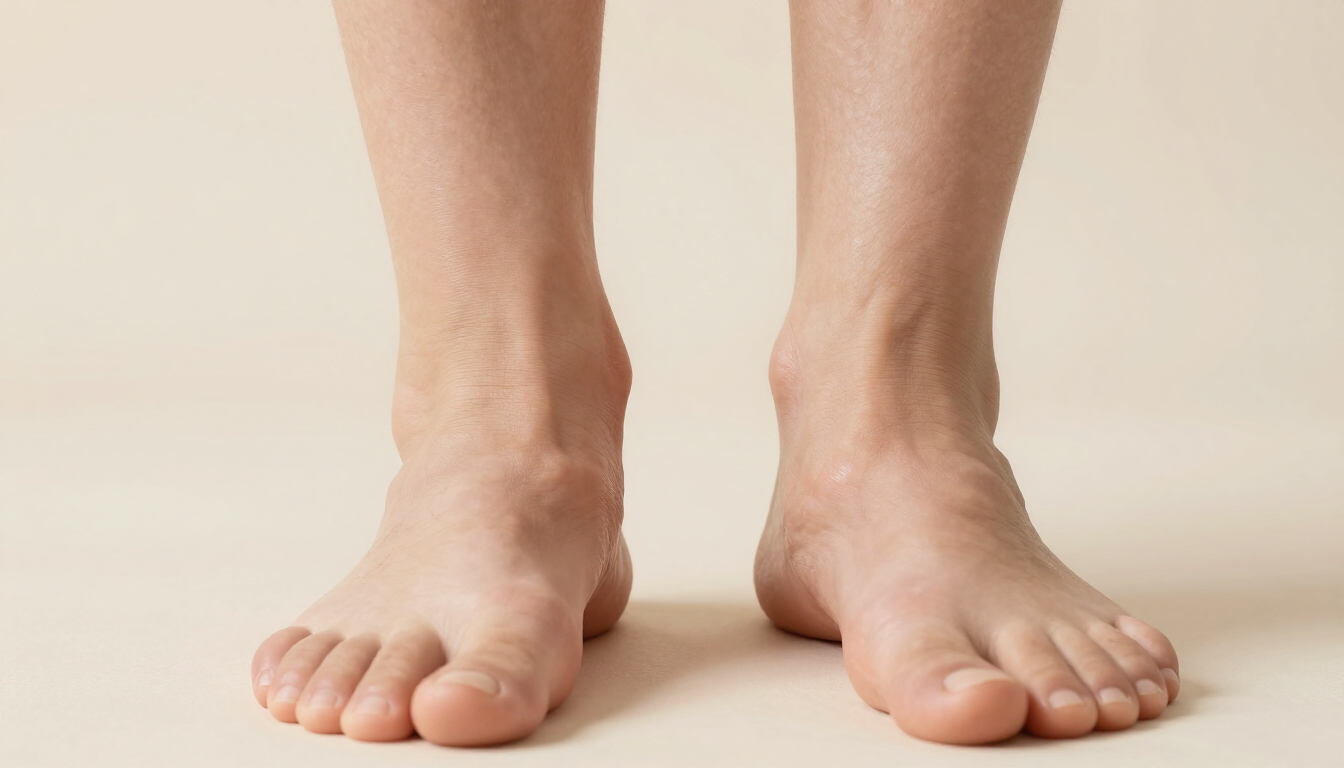
If you have noticed that your shoes feel tighter by the end of the day or that your ankles seem to disappear into a puff of skin, you are experiencing edema. Edema is the medical term for swelling caused by fluid trapped in your body's tissues. While it can occur anywhere, it is most common in the feet, ankles, and legs because gravity naturally pulls fluid downward.

For many residents in St. Augustine and Jacksonville, Florida, the local climate can exacerbate these symptoms. High heat and humidity can cause blood vessels to dilate, making it harder for the circulatory system to move blood upward. However, environmental factors are usually just the tip of the iceberg. If you find yourself asking why your leg pain and swelling are becoming a daily struggle, it is important to look deeper into the underlying biological causes.

Persistent leg swelling and edema

Swelling isn't just a cosmetic nuisance; it is often a signal from your vascular system that something is out of balance. When the valves in your veins or the vessels of your lymphatic system aren't functioning correctly, fluid begins to pool. This can lead to a heavy, aching sensation that makes daily activities—like walking through the St. Augustine historic district—feel like a chore. Understanding the "why" is the first step toward finding relief.

Common medical causes of persistent leg swelling

Before assuming your swelling is strictly a vein issue, it is helpful to understand the broad spectrum of causes. Leg swelling can be triggered by a variety of medical conditions, some temporary and others chronic.

  • Prolonged Standing or Sitting: Many people in service industries or office jobs spend hours in one position. Without the "calf pump" action of walking, blood pools in the lower extremities.
  • Medication Side Effects: Certain drugs for blood pressure, steroids, and even nonsteroidal anti-inflammatory drugs (NSAIDs) can cause fluid retention.
  • Salt Intake: A diet high in sodium encourages the body to hold onto water, which often manifests as swelling in the lower legs.
  • Organ Issues: More serious underlying conditions involving the heart, kidneys, or liver can lead to systemic fluid imbalances.
  • Deep Vein Thrombosis (DVT): This is a medical emergency where a blood clot forms in a deep vein. It typically causes sudden swelling in just one leg.

While lifestyle changes like reducing salt or moving more can help with minor edema, chronic swelling that doesn't resolve with elevation often points to a vascular condition. This is where a visit to One Vein Clinic becomes essential for a proper diagnosis.

Is your leg swelling a sign of vein disease?

The most frequent culprit behind chronic leg swelling is Chronic Venous Insufficiency (CVI). In a healthy body, your leg veins contain one-way valves that ensure blood flows upward toward the heart. When these valves become weak or damaged, they allow blood to leak backward and pool in the veins. This creates high pressure in the vessels, forcing fluid out into the surrounding tissues and resulting in swelling.

Common symptoms associated with CVI-related swelling include:

  • A heavy or "full" feeling in the legs.
  • Aching or cramping that worsens as the day progresses.
  • Itchy, dry, or leathery skin on the lower legs.
  • Redness or brownish discoloration near the ankles.
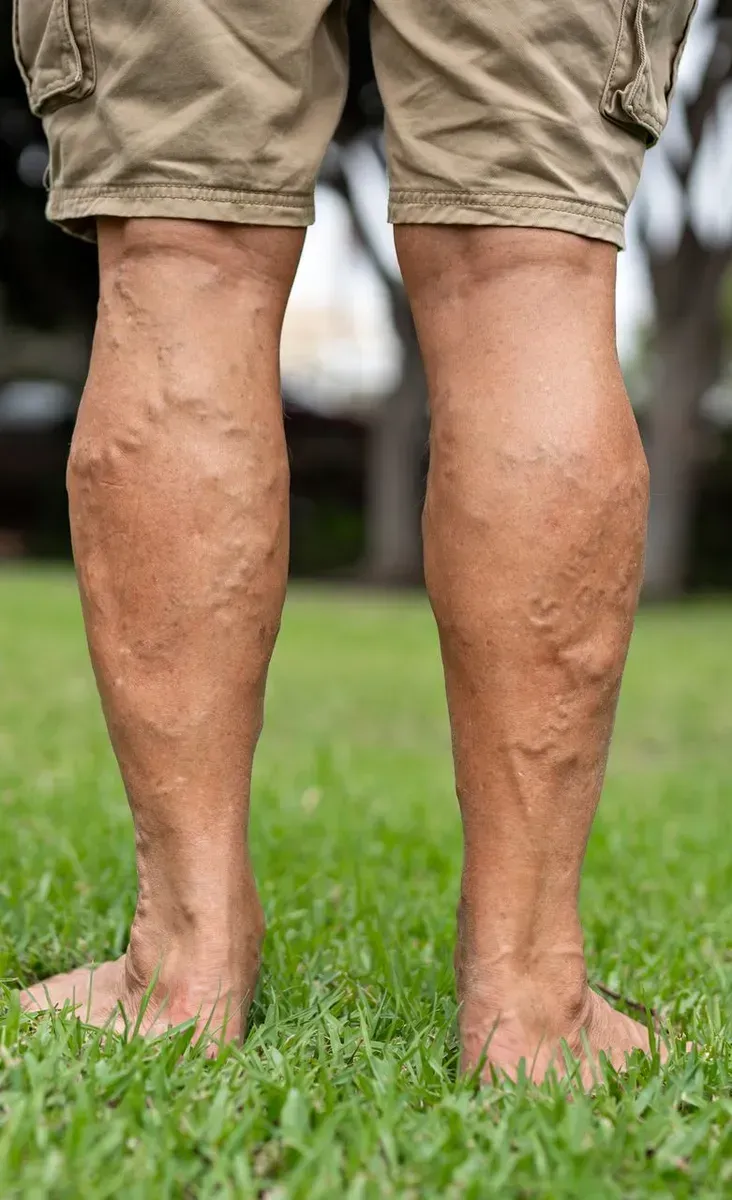
  • The appearance of varicose veins .

If left untreated, the pressure from CVI can eventually lead to skin ulcers—painful sores that are difficult to heal. Residents in St. Augustine, FL should be particularly mindful of these changes, as the combination of Florida’s heat and CVI can lead to rapid progression of symptoms. Identifying the problem early allows for minimally invasive treatments that can restore your quality of life.

Understanding the link between varicose veins and edema

Many patients believe that varicose veins are strictly an aesthetic concern, but they are actually a primary indicator of venous hypertension. Varicose veins are the visible manifestation of the internal pressure issues described in CVI. When the vein walls stretch and bulge, they lose their structural integrity, making it even harder for fluid to stay within the circulatory system.

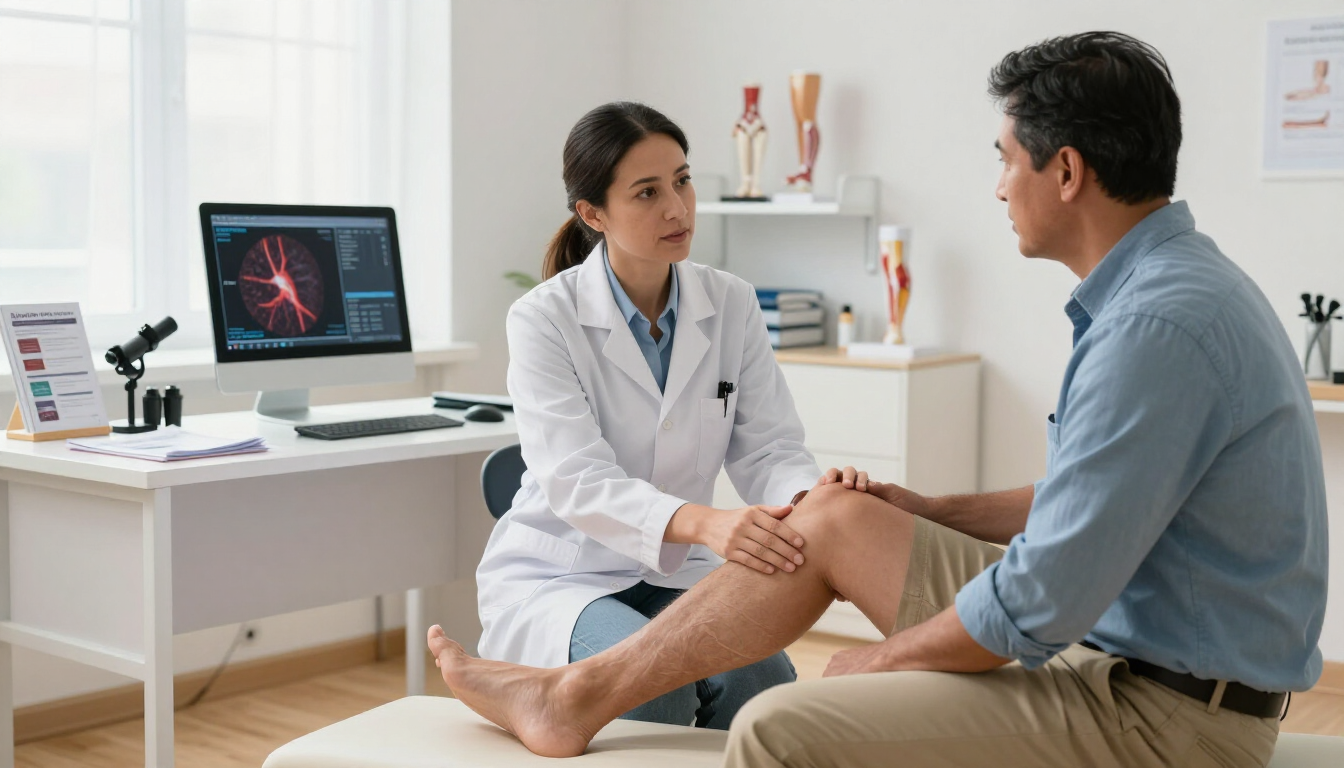
Vein specialist discussing diagnosis with a patient

When you see a specialist like Dr. Fawzi Farha, the focus isn't just on the visible veins; rather, it encompasses a comprehensive evaluation of the entire vascular system. This holistic approach ensures that all underlying issues are considered, allowing for a more thorough understanding of your condition. Dr. Farha prioritizes not only the aesthetic concerns related to superficial vein problems but also addresses any potential health implications that may arise from vascular issues. By taking this broader perspective, he can develop a personalized treatment plan that effectively targets your specific needs and promotes overall vascular health.

Recent Posts

A professional medical environment focused on lymphatic and vein care.
June 1, 2026
Discover Lymphedema 101. Learn the causes, symptoms, and best management practices for chronic swelling from the specialists at One Vein Clinic.

Modern vein treatment diagnostic tools and clinical environment.
May 29, 2026
Comprehensive guide to vein treatment for spider and varicose veins. Explore sclerotherapy and advanced care options at One Vein Clinic in Jacksonville and St. Augustine, FL.
Healthy legs walking after varicose vein treatment
April 17, 2026
Discover the most popular varicose vein treatments, from EVLT to sclerotherapy. Learn how Dr. Fawzi Farha helps patients in St. Augustine and Jacksonville.
Medical professional performing sclerotherapy on a patient
April 17, 2026
Discover how sclerotherapy eliminates spider and varicose veins. Learn about the process, benefits, and recovery at One Vein Clinic in FL.
January 26, 2026
Why Vein Treatment Is a Smart New Year Health Choice
January 29, 2024
As a Young Resident
December 13, 2023
Least Invasive, Most Comprehensive Vein Care
November 30, 2023
Patients Are Like Family
October 23, 2023
Scheduling Varicose Vein Patients Is a Balancing Act
Show More