
Lymphedema 101: 5 Ways to Manage Chronic Swelling
Lymphedema is a chronic condition characterized by localized swelling caused by a compromised lymphatic system. It occurs when lymph fluid cannot drain properly, leading to accumulation in tissues, most commonly in the arms or legs. Effective management involves specialized therapy, compression, and professional medical evaluation to prevent complications.
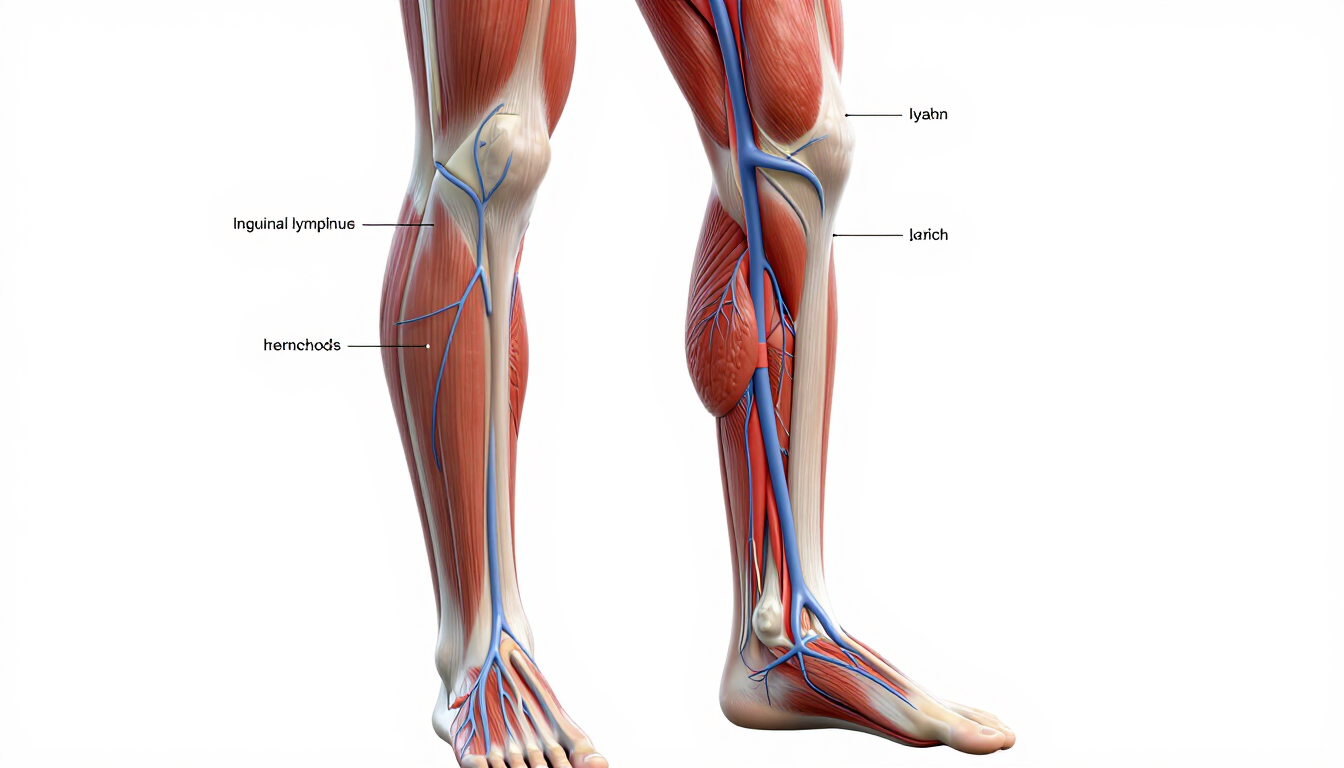
Understanding the complexities of the lymphatic system is the first step in managing chronic swelling. While often overshadowed by the cardiovascular system, the lymphatic network plays a critical role in fluid balance and immune function. When this system is damaged or blocked, the resulting fluid buildup—known as lymphedema—can significantly impact a person's quality of life. At One Vein Clinic, we believe that education is the cornerstone of effective care. This Lymphedema 101 guide is designed to help you recognize the signs, understand the causes, and explore the treatment options available to restore your comfort and mobility.
What Are the Primary Causes of Lymphedema?
Lymphedema is generally classified into two main categories: primary and secondary. Each has distinct origins, though both result in the same underlying issue of fluid retention and tissue swelling. Understanding which type you may be experiencing is vital for determining the correct course of treatment with a specialist like Dr. Fawzi Farha.
Primary lymphedema is relatively rare and is caused by genetic mutations that affect the development of the lymphatic system. This form of the condition may be present at birth, develop during puberty, or manifest later in adulthood. It is essentially a structural flaw in the way the body’s "drainage pipes" were built, leading to long-term challenges in fluid management.
Secondary lymphedema is far more common and occurs when the lymphatic system is damaged by external factors. This type often arises as a side effect of other medical treatments or conditions. The most frequent causes of secondary lymphedema include:
- Cancer Surgery: Removal of lymph nodes to prevent the spread of cancer.
- Radiation Therapy: Scarring and inflammation from radiation can damage lymph vessels.
- Infection: Severe skin infections or parasites can block lymph flow.
- Trauma: Physical injury that severs or crushes lymphatic pathways.
- Chronic Venous Insufficiency: Long-term vein issues can eventually overwhelm the lymph system.
In the United States, cancer treatment remains the leading cause of secondary lymphedema. When lymph nodes are removed or damaged, the remaining vessels may struggle to handle the volume of fluid, leading to the characteristic Leg Symptoms associated with the condition.
Common Symptoms You Should Not Ignore
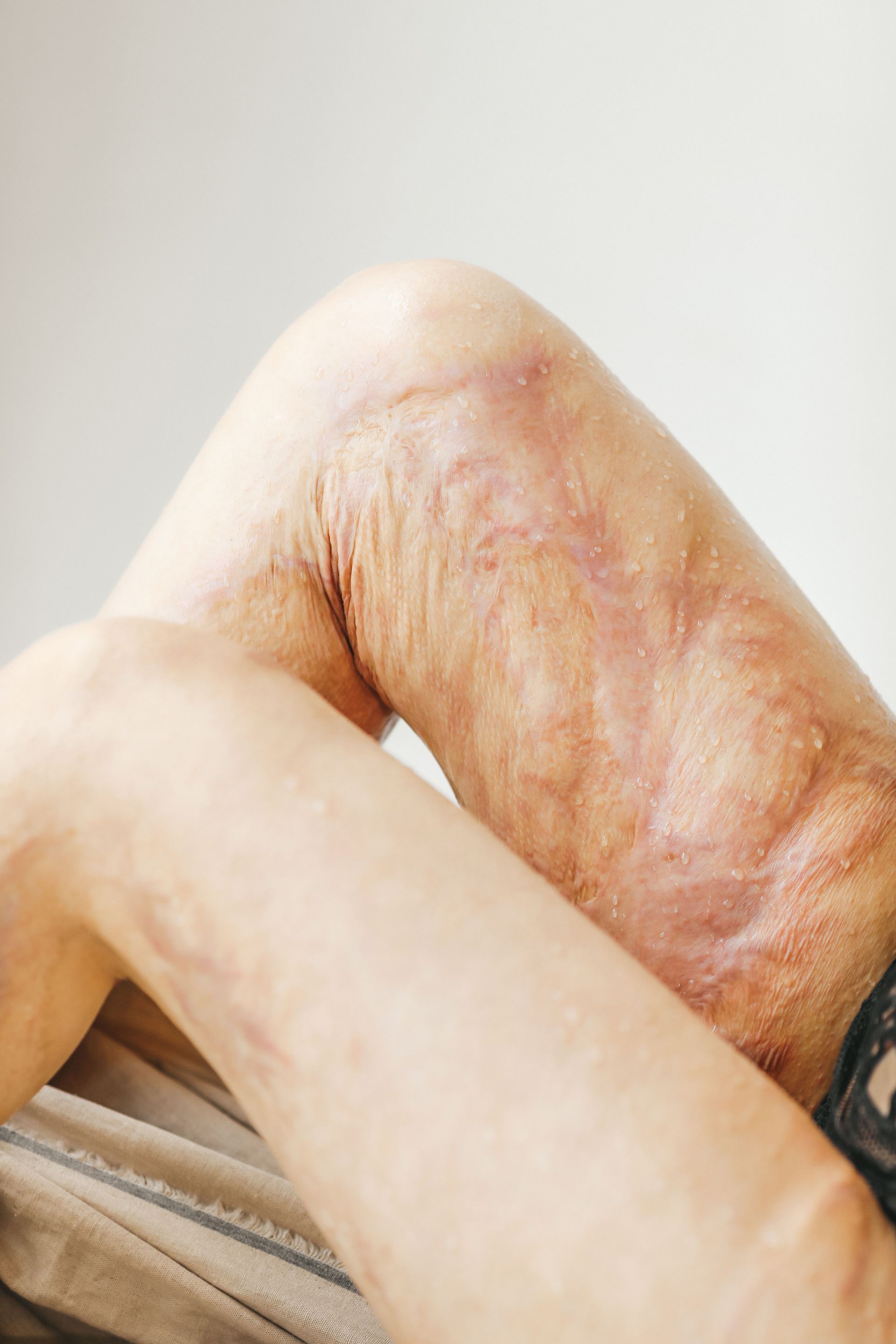
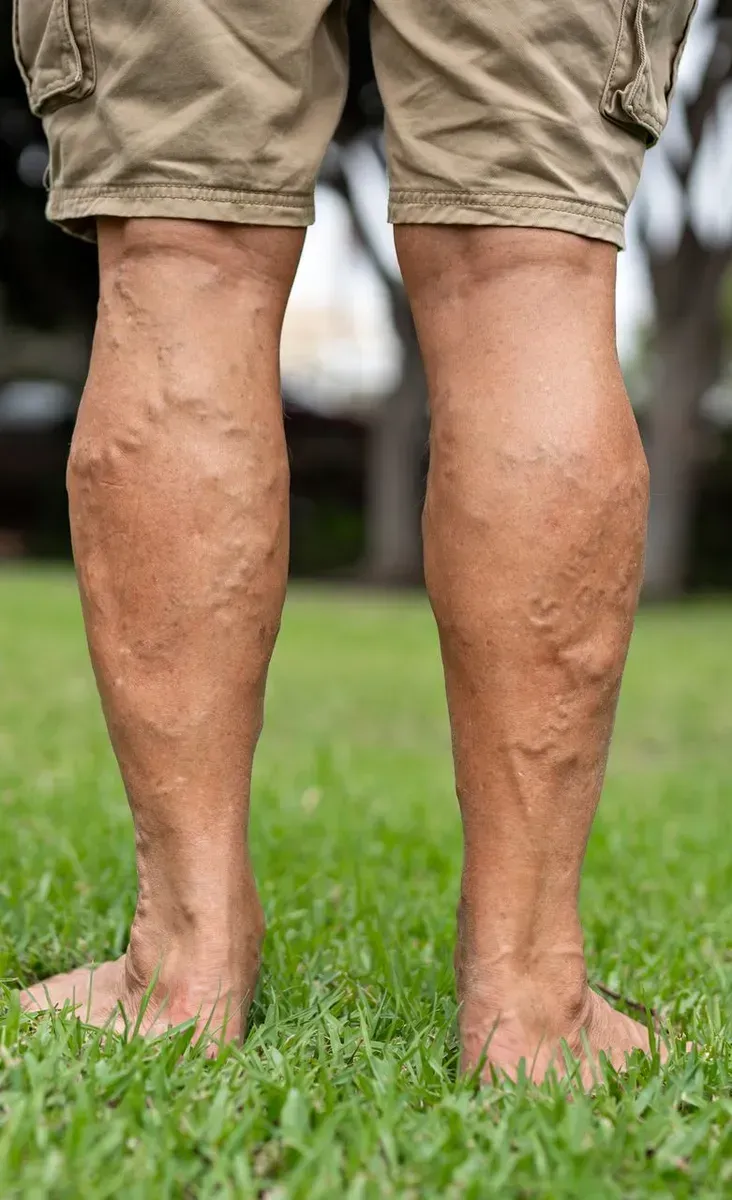
Recognizing the early signs of lymphedema is crucial because early intervention can prevent the condition from progressing to more severe stages. Initially, the swelling may come and go, often feeling worse at the end of the day or after prolonged standing. However, as the condition advances, the swelling becomes persistent and the tissue may undergo physical changes.
Patients often report a sensation of "heaviness" or "fullness" in the affected limb before visible swelling occurs. You might notice that your jewelry, watch, or clothing feels tighter than usual, even if your weight hasn't changed. This subtle tightness is a hallmark early indicator that fluid is beginning to accumulate in the interstitial spaces of your tissues.
As lymphedema progresses, you may observe the following symptoms:
- Persistent Swelling: Noticeable enlargement of the arm, leg, or digits.
- Skin Changes: The skin may feel tight, hard, or appear shiny.
- Aching or Discomfort: A dull heavy ache that persists throughout the day.
- Fibrosis: Thickening or scarring of the skin (late-stage symptom).
- Recurrent Infections: Increased susceptibility to skin infections like cellulitis.
It is important to note that lymphedema swelling is often "pitting" in the early stages, meaning an indentation remains after pressing on the skin. In later stages, the tissue may become "non-pitting" as it hardens. If you are experiencing these changes, visiting a Jacksonville Lymphedema specialist is a recommended next step.
How Is Lymphedema Diagnosed by Specialists?
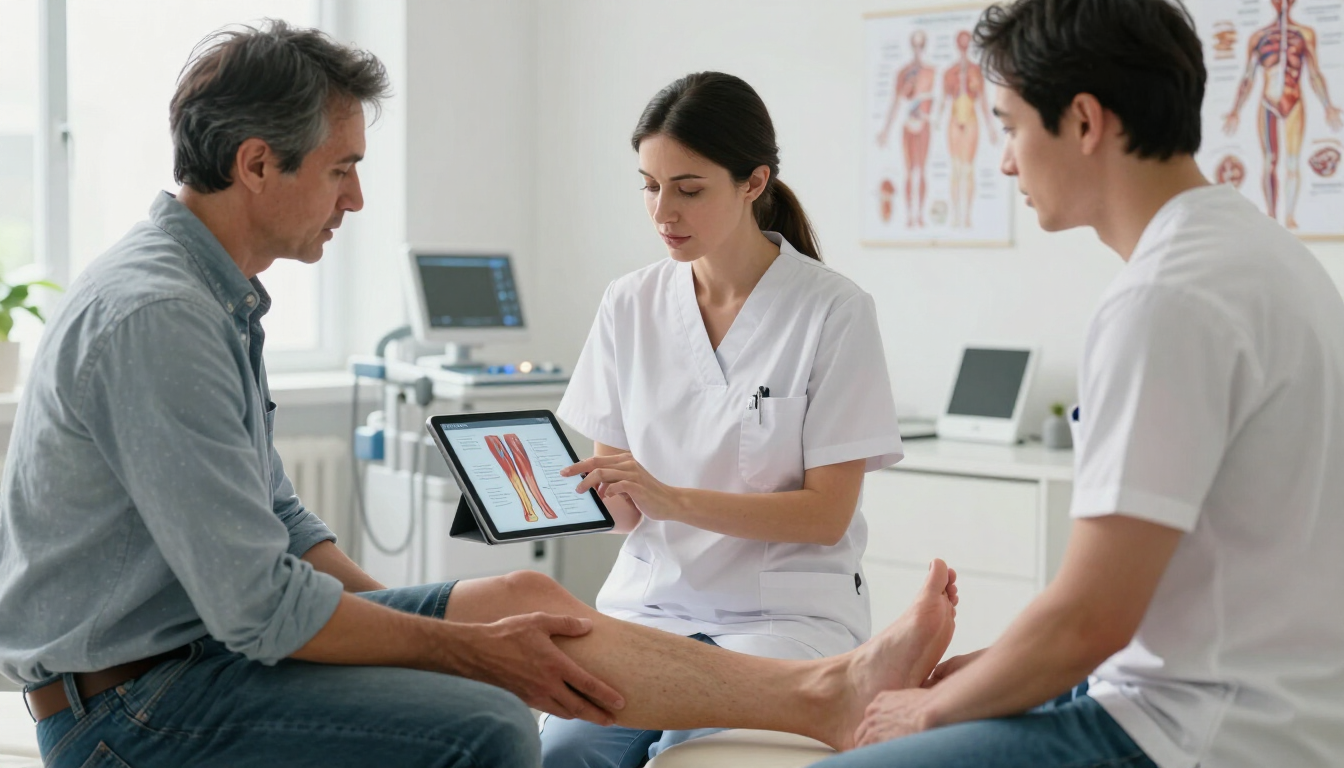
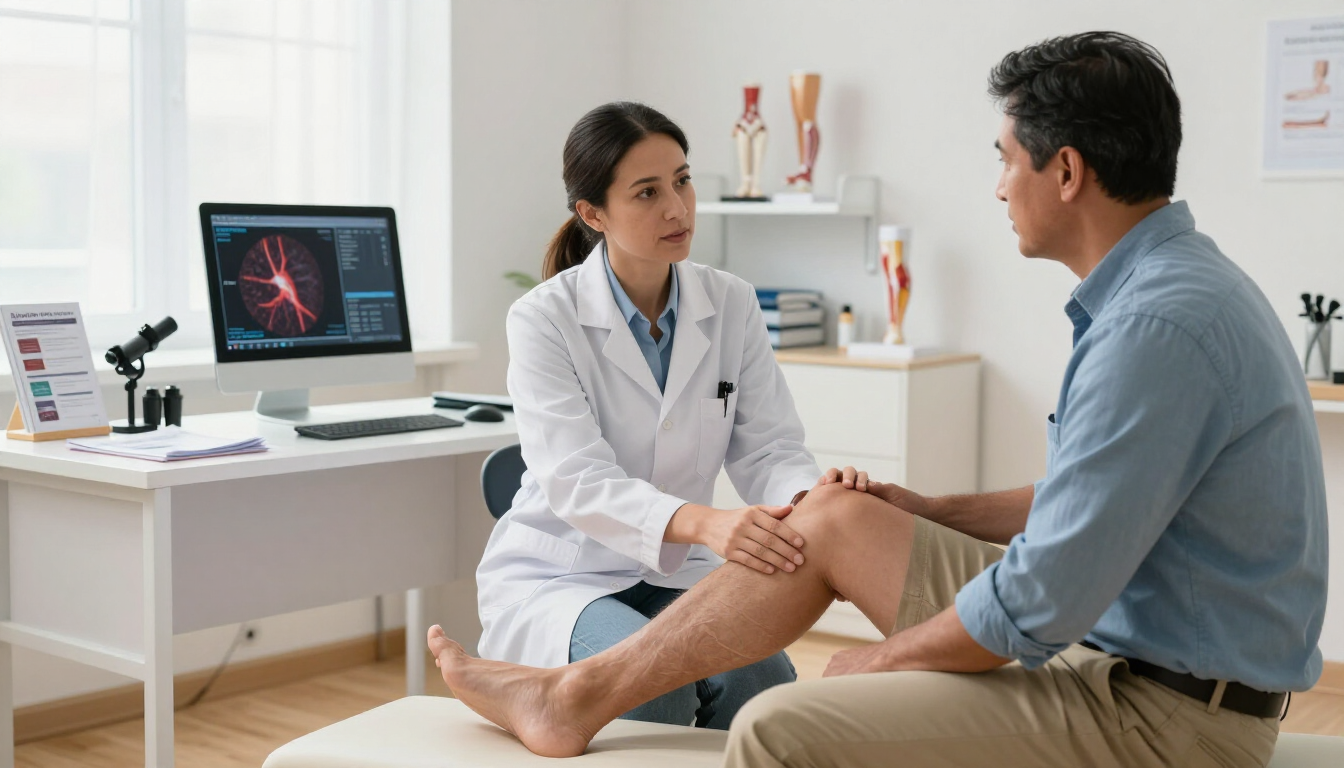
Diagnosing lymphedema begins with a thorough clinical evaluation. Because swelling can be caused by many different factors—including heart disease, kidney issues, or Varicose Veins —it is essential to rule out other underlying conditions. A vein specialist will review your medical history, looking for previous surgeries, radiation, or injuries that could have impacted your lymphatic health.
During a physical exam, the doctor will measure the circumference of the affected limb and compare it to the unaffected side. They may also perform the "Stemmer’s Sign" test, which involves attempting to pinch the skin on the top of the foot or hand. If the skin cannot be pinched and lifted, it is a strong indicator of lymphedema.
In some cases, advanced imaging may be required to confirm the diagnosis and assess the severity of the blockage. These tests help provide a clear map of how fluid is moving through your body. Common diagnostic tools include:
- Lymphoscintigraphy: A nuclear medicine study that tracks a radioactive tracer through the lymph vessels.
- Ultrasound: Used to check for blood clots or other vascular issues contributing to swelling.
- MRI or CT Scans: High-resolution images that show the pattern of fluid in the tissues.
- Bioimpedance Spectroscopy: Measures how well the limb resists a small electrical current to detect early fluid buildup.
Getting an accurate diagnosis is the only way to ensure you are receiving the correct Vein Treatment for your specific needs. Misdiagnosis can lead to ineffective treatments, so seeking expert advice is paramount.
Effective Strategies for Managing Swelling
While there is currently no cure for lymphedema, it can be managed very effectively through a combination of therapies. The goal of treatment is to reduce the swelling, prevent further fluid accumulation, and protect the skin from infection. The gold standard for treatment is known as Complete Decongestive Therapy (CDT).
CDT is a multi-faceted approach that involves two phases: an intensive reductive phase and a long-term maintenance phase. During the intensive phase, patients work closely with therapists to move fluid out of the limb. Once the limb has reached its smallest possible size, the focus shifts to maintaining those results through self-care and specialized garments.
Key components of a successful management plan include:
- Manual Lymph Drainage (MLD): A specialized massage technique to stimulate lymph flow.
- Compression Bandaging: Multi-layered bandages that provide high pressure to move fluid.
- Therapeutic Exercise: Gentle movements that use muscle pumps to aid drainage.
- Meticulous Skincare: Keeping the skin clean and moisturized to prevent cracks and infection.
- Compression Garments: High-quality sleeves or stockings worn daily during the maintenance phase.
Consistency is the most important factor in managing Lymphedema 101 . Patients who stick to their compression and skincare routines often find that they can lead active, normal lives without the burden of severe swelling.
Why Seek Professional Care for Chronic Swelling?
Ignoring chronic swelling can lead to serious medical complications. When lymph fluid remains stagnant in the tissues, it becomes a breeding ground for bacteria. This significantly increases the risk of cellulitis, a serious skin infection that can spread rapidly and require hospitalization. Repeated infections can further damage the lymphatic system, creating a vicious cycle of worsening swelling and health risks.
Professional care at a dedicated facility like One Vein Clinic ensures that you are not just treating the symptoms, but managing the condition holistically. Dr. Fawzi Farha and his team provide personalized plans that account for your lifestyle and the specific stage of your lymphedema. Professional intervention helps prevent the transition from simple swelling to permanent tissue hardening (fibrosis).
Benefits of professional medical oversight include:
- Customized Compression: Ensuring garments fit correctly to avoid skin damage.
- Infection Monitoring: Early detection and treatment of potential skin issues.
- Advanced Modalities: Access to pneumatic compression pumps and other clinical tools.
- Psychological Support: Managing the emotional toll of a chronic condition.
- Coordinated Care: Aligning lymphedema management with other vascular treatments.
Seeking help early can mean the difference between a minor inconvenience and a life-altering disability. If you are in the St. Augustine or Jacksonville area, reaching out to a Lymphedema specialist should be your priority.
Comparing Lymphedema and Other Vein Conditions
It is common for patients to confuse lymphedema with other causes of leg swelling, most notably chronic venous insufficiency (CVI). While both conditions cause the legs to swell, their underlying mechanisms are different. CVI occurs when the valves in the veins fail, allowing blood to pool in the lower legs. Lymphedema, as we've discussed, is a failure of the drainage system for lymph fluid.
However, these two systems are deeply interconnected. Over time, the high pressure caused by venous insufficiency can leak excess fluid into the tissues, eventually overwhelming the lymphatic system. This results in a hybrid condition known as phlebo-lymphedema. Treating the underlying vein issues can sometimes alleviate the strain on the lymphatics.
Distinguishing features of lymphedema compared to standard venous swelling include:
- Location: Lymphedema often involves the foot and toes, whereas venous swelling may stop at the ankle.
- Symmetry: Venous swelling is often bilateral, while lymphedema is frequently unilateral (one side).
- Skin Texture: Lymphedema leads to thicker, firmer skin over time.
- Ulceration: Venous issues often cause ulcers near the ankle bone.
By understanding these differences, your medical team can better target the source of your discomfort and provide the most effective relief.
Can Lymphedema Be Prevented?
For those who are at high risk—such as individuals undergoing cancer surgery or those with a family history—prevention and risk reduction are key. While you cannot always prevent the initial damage to the lymphatic system, you can take steps to prevent the onset of visible swelling and keep the condition in a latent (Stage 0) phase.
Education is the best preventative tool. Knowing the "red flags" allows you to seek treatment at the very first sign of a problem. Additionally, protecting the at-risk limb from injury or strain can help the remaining lymph vessels function more efficiently. Simple lifestyle adjustments can go a long way in preserving your lymphatic health.
Consider these risk-reduction strategies:
- Avoid Extreme Heat: Saunas and hot tubs can increase fluid production.
- Prevent Injury: Be cautious with gardening, pets, or any activity that could cause skin breaks.
- Gentle Movement: Avoid heavy lifting with the affected limb but maintain regular light exercise.
- Healthy Weight: Obesity puts significant extra pressure on both the vein and lymph systems.
- Clothing Choices: Avoid tight clothing or jewelry that could act as a tourniquet on the limb.
If you have concerns about your risk factors, Contact Us to schedule a consultation. Proactive management is always more effective than reactive treatment.
Summary of Lymphedema 101
Lymphedema is a manageable but chronic condition that requires lifelong attention to fluid balance and skin health. By understanding the causes and recognizing the symptoms early, you can take control of your health and prevent the progression of this condition. At One Vein Clinic, we are dedicated to providing the specialized care needed to navigate these challenges.
Key Takeaways:
- Lymphedema is caused by a blockage or damage to the lymphatic drainage system.
- Early symptoms include a heavy sensation, tight clothing, and localized swelling.
- Complete Decongestive Therapy (CDT) is the most effective management strategy.
- Professional diagnosis is essential to differentiate lymphedema from other vein conditions.
- Consistent self-care and compression are vital for long-term success.
For personalized support and expert treatment, schedule an appointment with our team to discuss your Lymphedema needs today.