Wound Care in St. Augustine, FL
Expert Care for Slow-Healing Leg Wounds
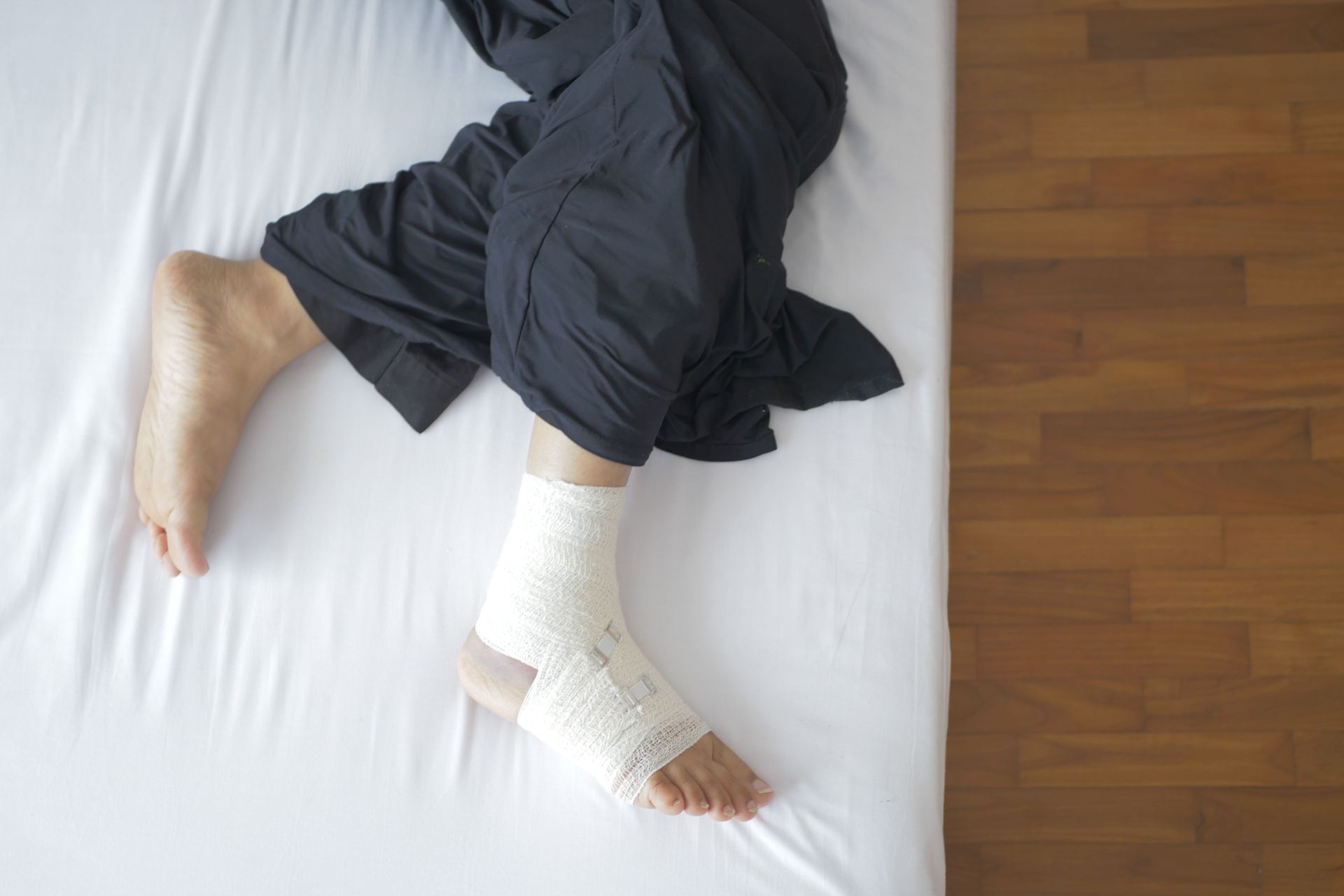
A wound on the lower leg that takes too long to heal can be painful, frustrating, and concerning. In many cases, slow-healing wounds near the ankle or lower leg may be related to poor circulation or underlying vein disease.
At One Vein Clinic, we provide specialized wound care in St Augustine, FL, for patients with vein-related ulcers and circulation-related leg wounds. Our care focuses on supporting the healing process while identifying the vein issues that may be preventing the wound from improving.
Your care is led by
Dr. Bassam G. Rizk, a board-certified vein specialist and Fellow of the American College of Surgeons, with extensive experience treating vein conditions that can contribute to swelling, skin changes, and leg ulcers.
Understanding Vein-Related Wounds
What Are Vein-Related Ulcers?
Vein-related ulcers are open wounds that often develop on the lower legs or near the ankles when blood does not flow properly through the veins. When circulation is poor, pressure can build in the legs and affect the skin’s ability to heal.
These wounds may start small but can become larger or more difficult to manage without proper care. Treating the wound and the underlying vein problem together can help support better healing.
Why Do Some Leg Wounds Heal Slowly?
A leg wound may heal slowly when the surrounding tissue is not receiving proper circulation. Chronic venous insufficiency, swelling, inflammation, and skin damage can all make it harder for the body to repair the area. Common signs that a wound may be vein-related include:
- Swelling around the lower leg or ankle
- Skin discoloration near the wound
- Aching, heaviness, or tightness in the leg
- Dry, irritated, or thickened skin
When Should You See a Vein Specialist?
You should consider scheduling an evaluation if a leg wound is not healing, keeps coming back, or appears with other symptoms of vein disease. You may benefit from professional wound care if you have:
- An open sore near the ankle or lower leg
- A wound that has not improved with basic care
- Recurring swelling in the legs or feet
- Pain, heaviness, or pressure in the affected leg
Early evaluation for wound care in St. Augustine, FL can help determine whether vein disease is contributing to delayed healing.
Wound Care Treatment in St. Augustine, FL
At One Vein Clinic, wound care is personalized based on your symptoms, wound condition, and vein health. Our goal is to help support healing, improve comfort, and reduce the risk of recurring vein-related ulcers.
Venous Ulcer Care
Venous ulcers are often caused by increased pressure in the leg veins. These wounds typically require focused care that supports the skin while addressing the circulation issues behind the wound. Treatment may help:
- Support the wound healing process
- Reduce irritation around the affected area
- Improve comfort in the lower leg
Swelling and Skin Support
Swelling can place added pressure on the skin and make wounds harder to heal. Managing swelling and protecting the surrounding skin are important parts of vein-related wound care. Care may focus on:
- Reducing lower-leg swelling
- Protecting fragile or irritated skin
- Improving comfort while standing or walking
- Supporting healthier skin around the wound
Personalized Wound Management
Every wound is different, which is why treatment should be tailored to your needs. One Vein Clinic creates a care plan based on the wound’s location, severity, symptoms, and underlying circulation concerns. Your plan may include:
- Ongoing monitoring of the wound
- Vein-focused treatment recommendations
- Guidance for compression when appropriate
- Support for long-term leg health
Why Choose One Vein Clinic for Wound Care in St. Augustine?
Care Led by a Trusted Vein Specialist
Dr. Bassam G. Rizk provides expert care for vein-related ulcers, leg swelling, and circulation problems that may affect wound healing.
Focused on the Cause of the Wound
Our approach looks beyond the surface wound to identify whether vein disease is contributing to delayed healing or recurring ulcers.
Personalized, Supportive Treatment
Your care plan is built around your wound, symptoms, health history, and goals, so treatment is tailored to your specific needs.
Convenient for St. Augustine Patients
One Vein Clinic serves patients from St. Augustine and nearby Northeast Florida communities seeking specialized wound and vein care.
Trusted by Patients Across St. Augustine
Here’s what patients are saying about their experience at One Vein Clinic:
Frequently Asked Questions
What are the most common types of chronic wounds treated at a specialized wound clinic?
The most common types of chronic wounds treated at a specialized clinic include venous stasis ulcers, diabetic foot ulcers, arterial ulcers, and pressure ulcers (bedsores). Venous leg ulcers are by far the most prevalent, accounting for up to 80% of all lower extremity ulcerations.
Because these wounds are usually driven by underlying vascular conditions like Chronic Venous Insufficiency (CVI), they require advanced, medical-grade interventions and rarely respond to standard at-home first aid.
What is a venous leg ulcer and how is it medically treated?
A venous leg ulcer is a chronic, non-healing wound that typically develops on the lower leg or ankle as a direct result of poor blood circulation and untreated venous reflux.
The most effective treatment requires a dual approach: healing the external wound using advanced dressings and debridement, while simultaneously correcting the underlying circulatory failure using minimally invasive vein procedures (such as Endovenous Laser Ablation) and medical-grade compression therapy.
When should I seek professional medical treatment for a non-healing wound?
You should seek professional wound care treatment if a wound has not shown significant signs of healing within two to three weeks, or if it has not completely healed within six weeks.
Immediate medical intervention is required if you experience signs of infection—such as increased pain, spreading redness, foul odor, heavy purulent drainage, localized warmth, or a fever—especially if you have a history of diabetes or peripheral vascular disease.
How do I choose the best wound care center in St. Augustine, Florida?
To choose the best wound care center in St. Augustine, patients should look for a specialized vascular and vein clinic that actively treats both the external wound and its underlying circulatory cause.
Top-tier clinics will provide in-house diagnostic ultrasound mapping, advanced wound debridement, application of bio-engineered skin substitutes, and on-site minimally invasive procedures to restore healthy blood flow to the affected limb.
Are advanced wound care treatments covered by Medicare and health insurance?
Yes, advanced wound care treatments are extensively covered by Medicare and most major health insurance plans when diagnosed as medically necessary by a treating physician.
Standard coverage typically includes necessary diagnostic vascular ultrasounds, surgical wound debridement, specialized biologic dressings, multi-layer compression therapies, and the underlying corrective vascular procedures required to heal chronic ulcers and prevent limb amputation.
What role does debridement play in the chronic wound healing process?
Debridement is a critical first step in chronic wound management that involves the medical removal of dead (necrotic), damaged, or infected tissue from the wound bed. This procedure is absolutely essential because necrotic tissue acts as a breeding ground for bacterial infections and physically prevents the formation of healthy new granulation tissue.
Removing this barrier stimulates the body's natural healing cascade and allows advanced biologic dressings to function effectively.
Get Specialized Care for Vein-Related Wounds
At One Vein Clinic, we provide personalized wound care in St Augustine, FL, designed to support healing, improve comfort, and address circulation issues that may affect your recovery.