


Sclerotherapy: How It Works and What to Expect

April 17, 2026

Share this article

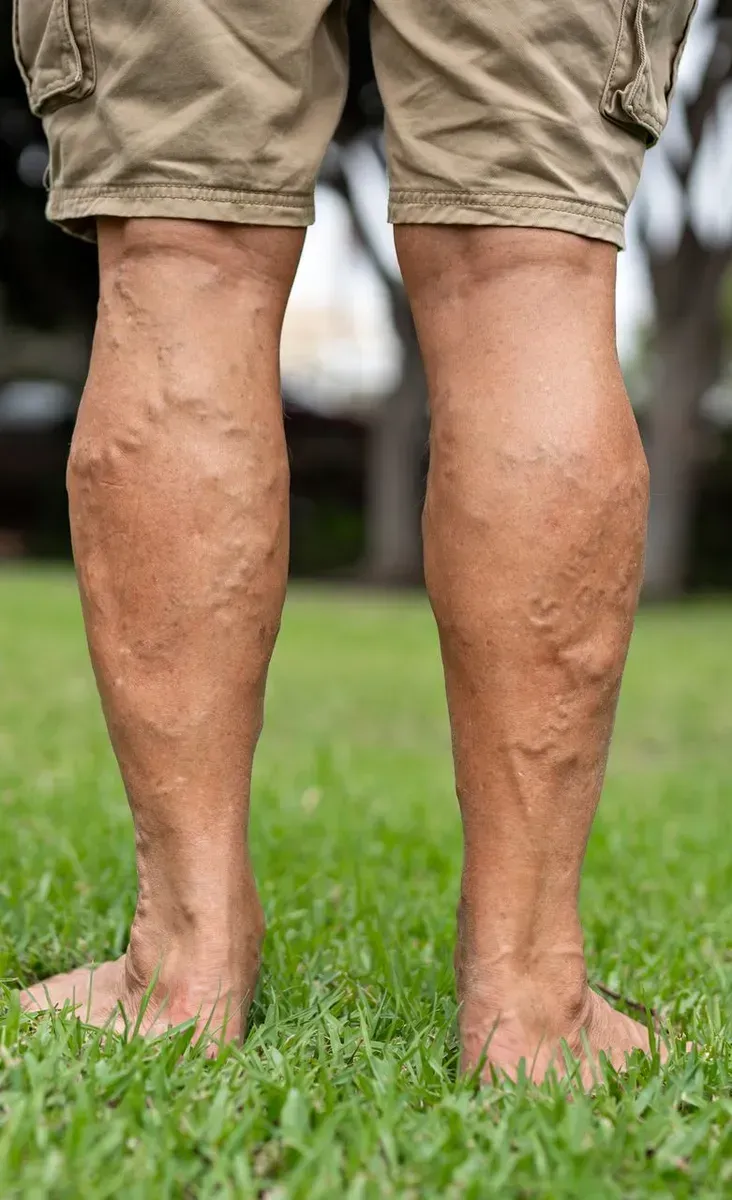
Sclerotherapy is a minimally invasive medical procedure used to treat spider and varicose veins. It involves injecting a salt-based or chemical solution directly into the vein, causing it to collapse and eventually be reabsorbed by the body. Blood then reroutes to healthier veins, improving both appearance and comfort.

How does sclerotherapy work?

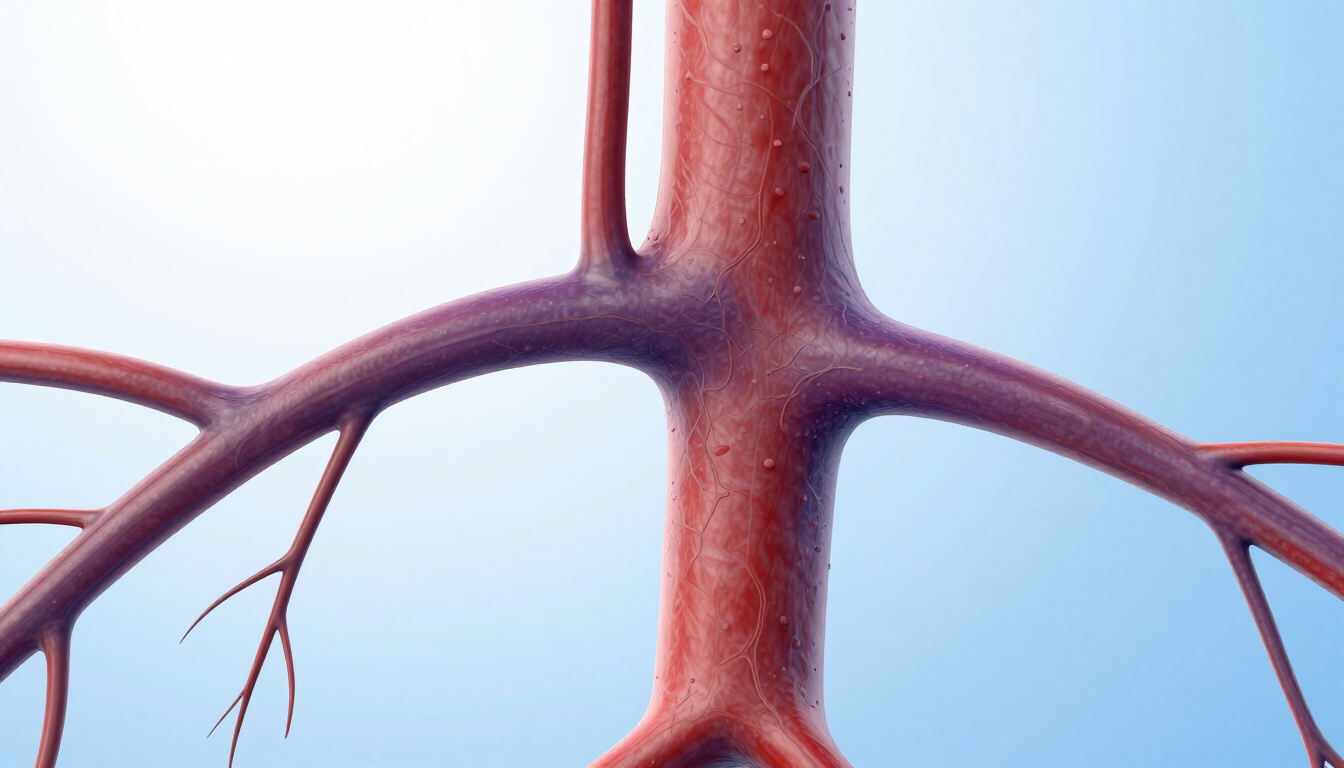
The science behind sclerotherapy is centered on a process called sclerosis, which literally means hardening. At One Vein Clinic , we use a specialized solution called a sclerosant. When this solution is introduced into the targeted vessel, it causes a controlled irritation to the lining of the vein (the endothelium). This irritation causes the vein walls to stick together, effectively sealing the vessel shut.

Once the vein is closed, blood can no longer pool inside it. The body's natural circulatory system recognizes that this specific pathway is no longer functional and immediately reroutes blood flow to deeper, healthier veins. Over the course of several weeks or months, the collapsed vein is broken down by the body's immune system and absorbed, much like a bruise. This result is a clearer skin surface and a reduction in the physical symptoms often associated with vein disease.

Sclerotherapy Treatment Process

Benefits of Treating Vein Disease

Many patients initially seek Sclerotherapy for cosmetic reasons, specifically to remove the web-like clusters of spider veins that can appear on the thighs, calves, and ankles. However, the benefits of this treatment extend far beyond aesthetics, particularly for older adults who may be experiencing discomfort. Treating these veins can provide:

  • Relief from Physical Symptoms: It can significantly reduce the leg symptoms of aching, heaviness, and fatigue.
  • Prevention of Complications: Closing unhealthy veins prevents further blood pooling, which can lead to skin ulcers or blood clots.
  • Improved Mobility: When legs feel lighter and less painful, patients find it easier to maintain an active lifestyle.
  • Quick Procedure: Most sessions are completed in under 30 minutes with no hospital stay required.
  • Minimal Recovery: Patients can walk and resume most daily activities immediately after the appointment.

What is the difference between liquid and foam sclerotherapy?

Depending on the size and location of the veins being treated, Dr. Fawzi Farha may choose between two primary types of sclerosants: liquid or foam. Understanding the distinction between these two methods is helpful for patients preparing for their consultation.

Liquid Sclerotherapy is typically the gold standard for treating smaller spider veins and tiny reticular veins. The liquid solution is injected through a very fine needle, spreading easily through the narrowest vessels. Because spider veins are close to the skin's surface, the liquid is highly effective at reaching the entire length of the visible vein.

Foam Sclerotherapy is often reserved for larger varicose veins . By mixing the sclerosant with air or another gas, it creates a consistency similar to shaving cream. This foam has a higher volume and is more "sticky" than liquid, allowing it to displace the blood inside a larger vein more effectively. Because the foam does not mix with the blood as quickly as liquid does, it stays in contact with the vein wall longer, ensuring a more thorough closure of larger vessels. This technique is often performed under ultrasound guidance to ensure the foam reaches the precise location needed.

Is sclerotherapy right for me?

While sclerotherapy is a versatile and highly successful treatment, determining if it is the right choice for you requires a professional evaluation. At our Jacksonville, FL and St. Augustine, FL locations, we consider several factors during your initial assessment. Ideal candidates are generally those who:

  • Are bothered by the appearance of spider or small varicose veins.
  • Experience localized pain, burning, or itching in the area of the veins.
  • Are not currently pregnant or breastfeeding.
  • Do not have a history of deep vein thrombosis (DVT) or active blood clots.
  • Are physically mobile and able to walk after the procedure.

It is important to note that if you have very large, bulging varicose veins that are caused by significant venous insufficiency in the deeper leg veins, Dr. Fawzi Farha might recommend alternative or supplemental vein treatment methods before or alongside sclerotherapy to ensure the best long-term results.

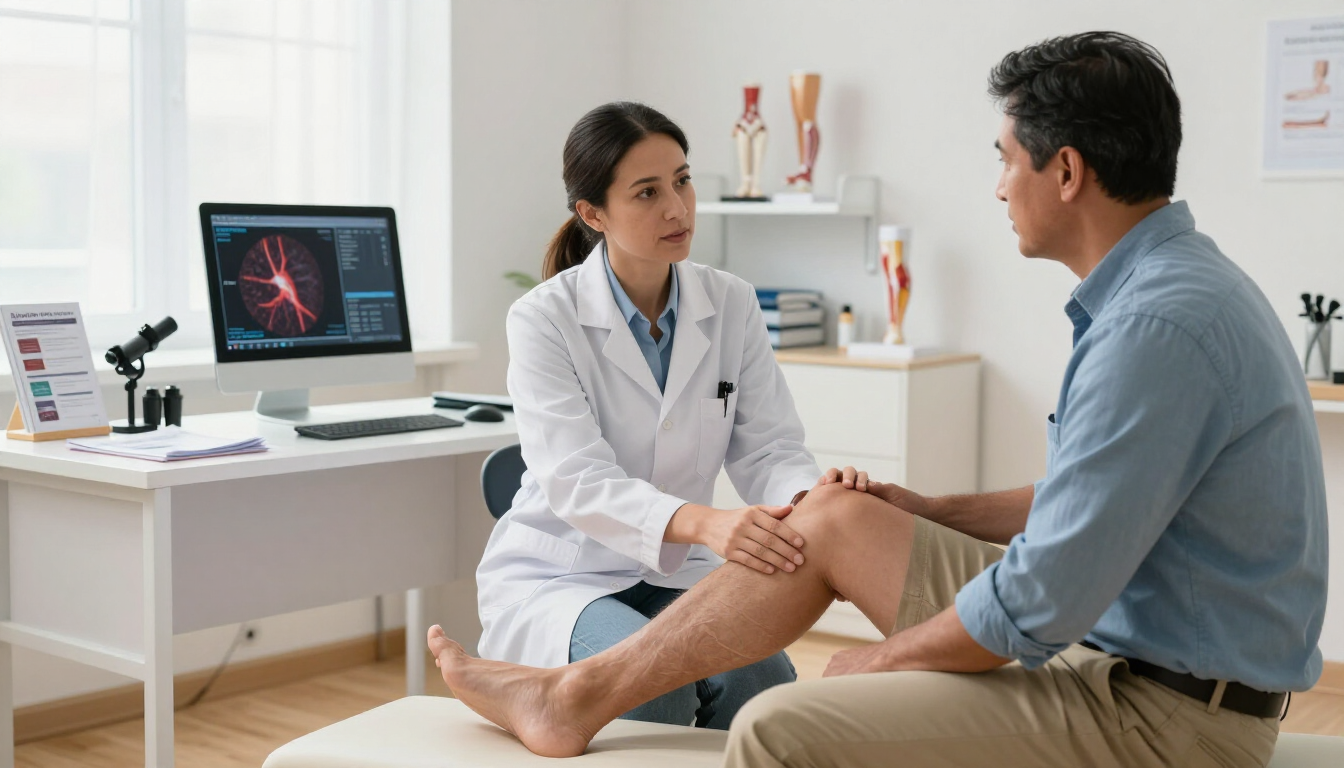
Consultation with a Vein Specialist

What happens during a sclerotherapy session?

Many patients feel nervous about injections, but a sclerotherapy session at One Vein Clinic is designed to be as comfortable and stress-free as possible. The procedure is performed in an office setting and does not require any anesthesia or numbing agents because the needles used are exceptionally thin.

  1. Preparation: You will be asked to lie comfortably on an exam table. The skin in the treatment area will be cleaned with an antiseptic solution.
  2. The Injection: Using a magnifying light or ultrasound for precision, the specialist will insert the needle into the target vein. You may feel a tiny pinch, similar to a mosquito bite, followed by a mild tingling or cramping sensation as the solution enters the vessel.
  3. Compression: Once the injection is complete, the specialist will apply direct pressure to the site to prevent blood from flowing back into the vein. A compression pad or tape may be applied.
  4. Repeat: This process is repeated for each vein being treated in the session. Most patients have multiple veins addressed during a single visit.

Does sclerotherapy hurt?

The vast majority of patients describe the sensation as very manageable. The sclerosant solutions used today are much more refined than those used decades ago, significantly reducing the "stinging" sensation once associated with the procedure. Some patients may experience a brief, mild cramping sensation if a larger vein is being treated with foam, but this typically lasts only a minute or two. Most people find they can chat comfortably throughout the entire process.

Preparing for Your Appointment

To ensure the best possible outcome and minimize the risk of bruising, there are a few steps you should take before arriving for your treatment at our clinic. We recommend that you:

  • Avoid certain medications: Stop taking aspirin, ibuprofen, or other anti-inflammatory drugs for 48-72 hours prior, as these can increase bruising (please consult with your primary doctor first).
  • Do not shave your legs: Avoid shaving or applying lotions to your legs for 24 hours before the appointment to prevent skin irritation.
  • Wear comfortable clothing: Bring or wear loose-fitting shorts or a skirt so the treatment area is easily accessible.
  • Purchase compression stockings: You will need to wear medical-grade compression stockings immediately after the procedure. Our staff can help you determine the correct size and pressure level.

What should I expect during recovery?

Recovery after Sclerotherapy is remarkably straightforward. There is no "downtime" in the traditional sense, meaning you do not need to stay in bed or take time off work. In fact, movement is encouraged! Walking immediately after the procedure is essential because it keeps the blood moving through your deeper, healthier veins and helps prevent the formation of blood clots.

In the days following treatment, you will be asked to wear your compression stockings consistently. These stockings provide the external pressure needed to keep the treated vein walls compressed together while they heal. You might notice some minor bruising or small red spots at the injection sites, which is completely normal and typically fades within a week or two. Some larger veins may feel slightly firm or "ropey" for a short time as they harden and begin the absorption process.

How many treatments will I need?

While some veins disappear after just one injection, most patients require a series of treatments to achieve their desired results. On average, you can expect between two and four sessions, spaced several weeks apart. This allows the body time to respond to the initial treatment before we reassess the area. The number of sessions depends on the density of the spider veins and how long they have been present. During your follow-up visits, we can evaluate the fading process and touch up any remaining vessels to ensure a smooth, clear finish.

Summary of Sclerotherapy Takeaways

Sclerotherapy remains the gold standard for eliminating unsightly and uncomfortable leg veins. It is a time-tested, safe, and effective way to restore the health and appearance of your legs. To summarize what you need to know:

  • It is a non-surgical solution that uses a liquid or foam injection to close down damaged veins.
  • It treats both cosmetic and physical symptoms , including aching and heaviness.
  • The procedure is fast , typically taking less than 30 minutes in our office.
  • Recovery is active , requiring you to walk and wear compression stockings for a short period.
  • Results are gradual as the body naturally absorbs the closed veins over several weeks.

If you are ready to say goodbye to spider veins and improve your overall leg health, the team at One Vein Clinic is here to help. Led by Dr. Fawzi Farha , we provide personalized care tailored to the unique needs of our older patients. Contact Us today to schedule your consultation and take the first step toward healthier, more comfortable legs.

Healthy legs concept

Recent Posts

Healthy legs walking after varicose vein treatment
April 17, 2026
Discover the most popular varicose vein treatments, from EVLT to sclerotherapy. Learn how Dr. Fawzi Farha helps patients in St. Augustine and Jacksonville.
January 26, 2026
Why Vein Treatment Is a Smart New Year Health Choice
January 29, 2024
As a Young Resident
December 13, 2023
Least Invasive, Most Comprehensive Vein Care
November 30, 2023
Patients Are Like Family
October 23, 2023
Scheduling Varicose Vein Patients Is a Balancing Act
September 29, 2023
Most Varicose Vein Treatments Are Covered by Insurance
August 30, 2023
ClosureFast™ Is an Outpatient Procedure
July 27, 2023
What Is the Procedure Like?
Show More