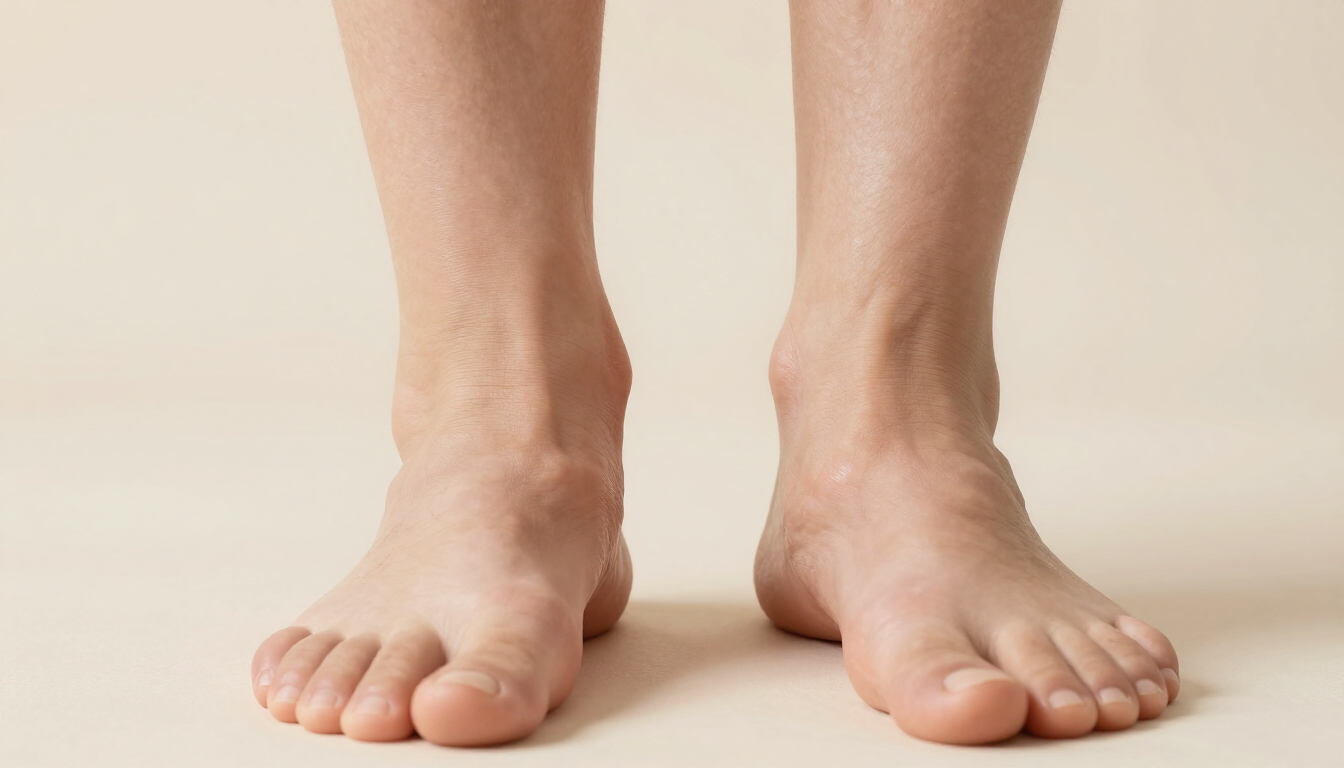
While lifestyle changes like reducing salt or moving more can help with minor edema, chronic swelling that doesn't resolve with elevation often points to a vascular condition. This is where a visit to One Vein Clinic becomes essential for a proper diagnosis.
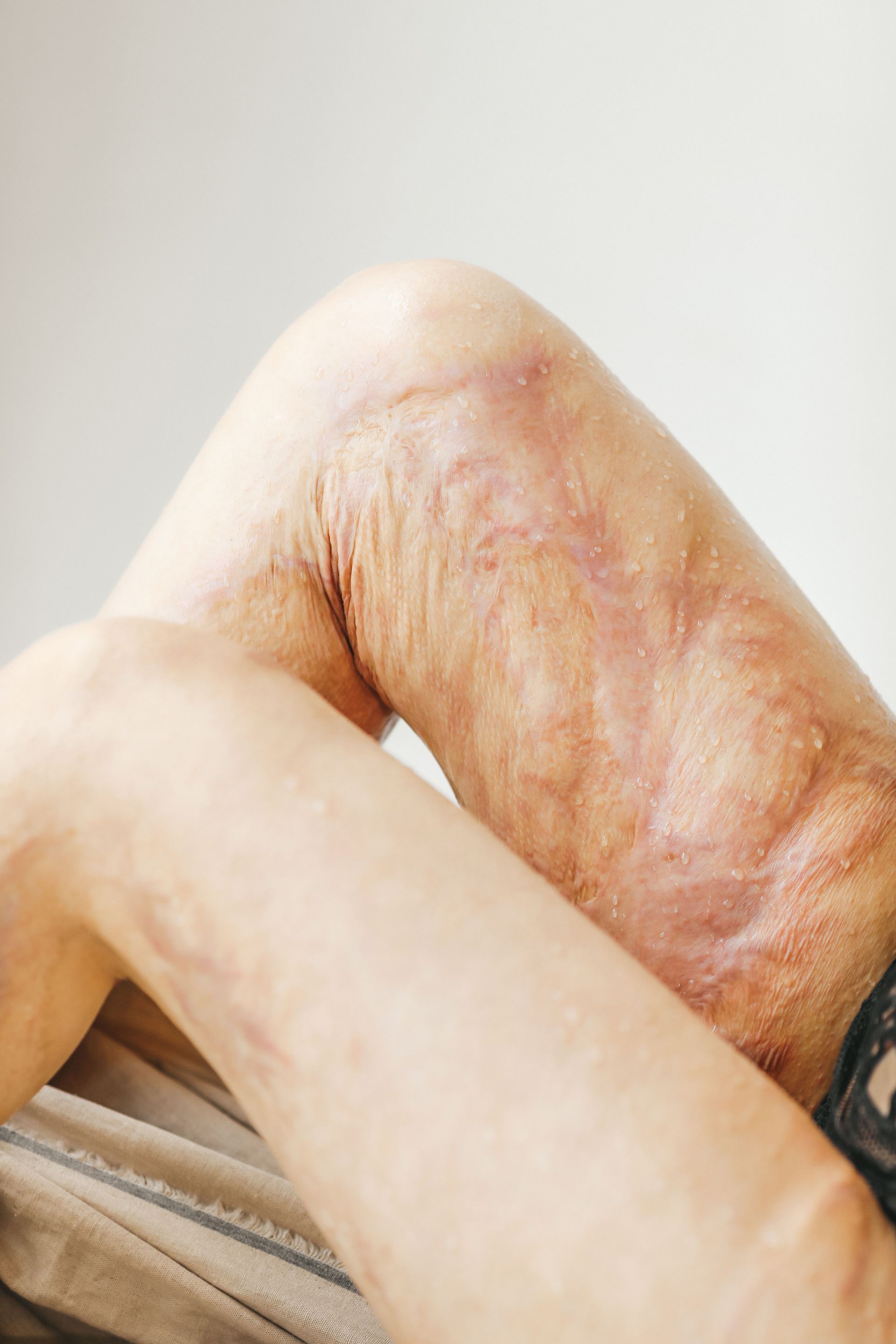
Chronic leg wounds often return because of an untreated vein problem. Learn the vein-wound connection and how to break the cycle for good.
Distinguish between lymphedema and normal swelling. Explore symptoms, causes like cancer treatment, and specialized care in Ponte Vedra at One Vein Clinic.

Ponte Vedra Beach residents choose minimally invasive vein treatments for quick recovery & personalized care. Contact One Vein Clinic today!
Looking for the best vein clinic in Northeast Florida? Discover why patients in St. Augustine and Jacksonville trust One Vein Clinic for expert, minimally invasive vein care and advanced treatment options.

Are you experiencing persistent leg swelling? Learn about the causes like CVI and lymphedema, and when to visit a vein specialist in St. Augustine.

Discover Lymphedema 101. Learn the causes, symptoms, and best management practices for chronic swelling from the specialists at One Vein Clinic.
Guide to vein treatment for spider and varicose veins. Explore sclerotherapy and advanced care options at One Vein Clinic in Jacksonville and St. Augustine
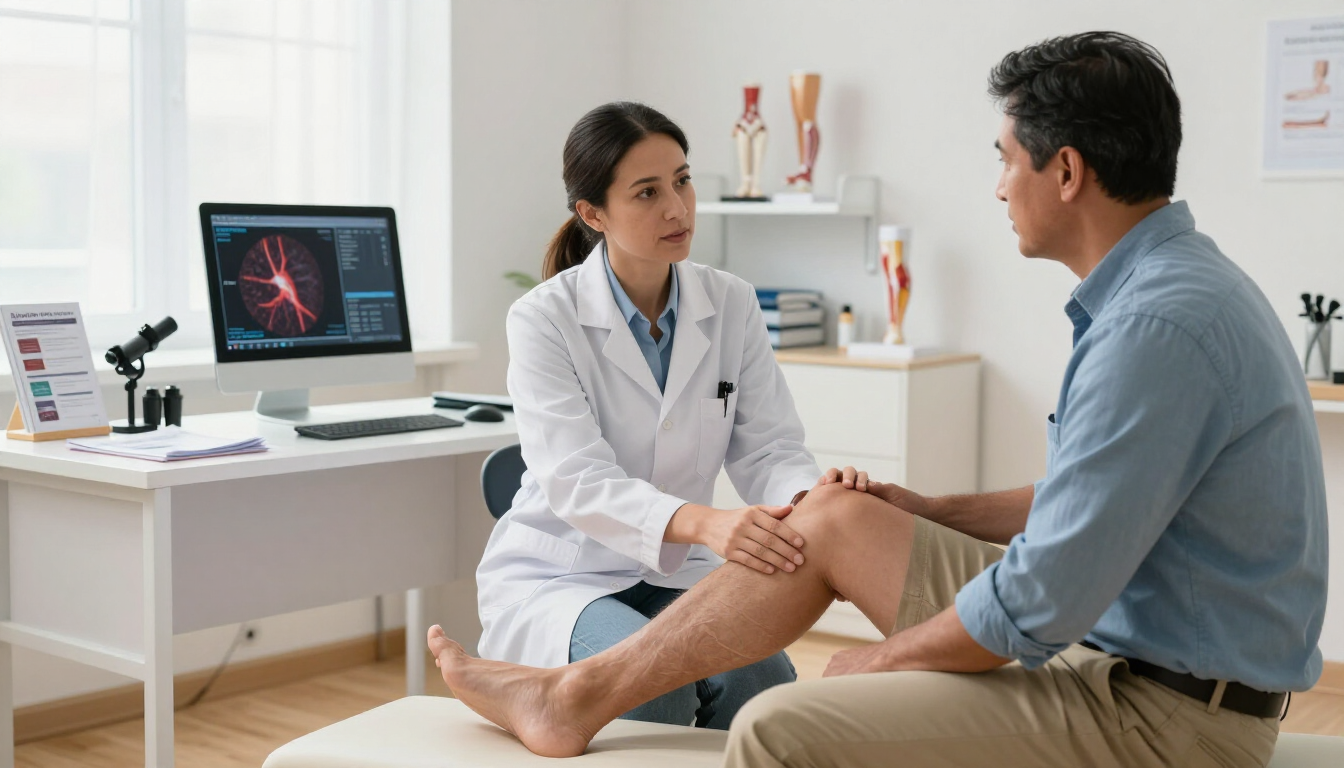
Discover the most popular varicose vein treatments, from EVLT to sclerotherapy. Learn how Dr. Bassam G. Rizk helps patients in St. Augustine and Jacksonville.
Discover how sclerotherapy eliminates spider and varicose veins. Learn about the process, benefits, and recovery at One Vein Clinic in FL.
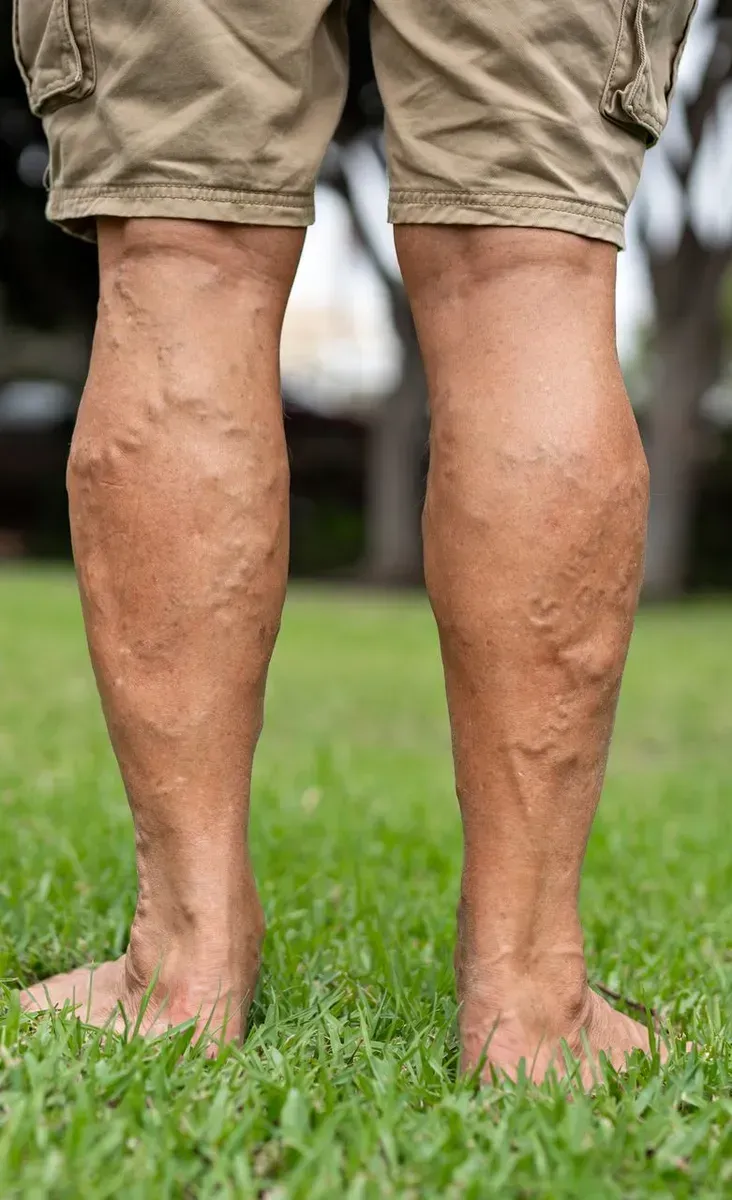
Start the New Year with healthier legs! Explore vein treatment options for varicose & spider veins. Contact One Vein Clinic today!