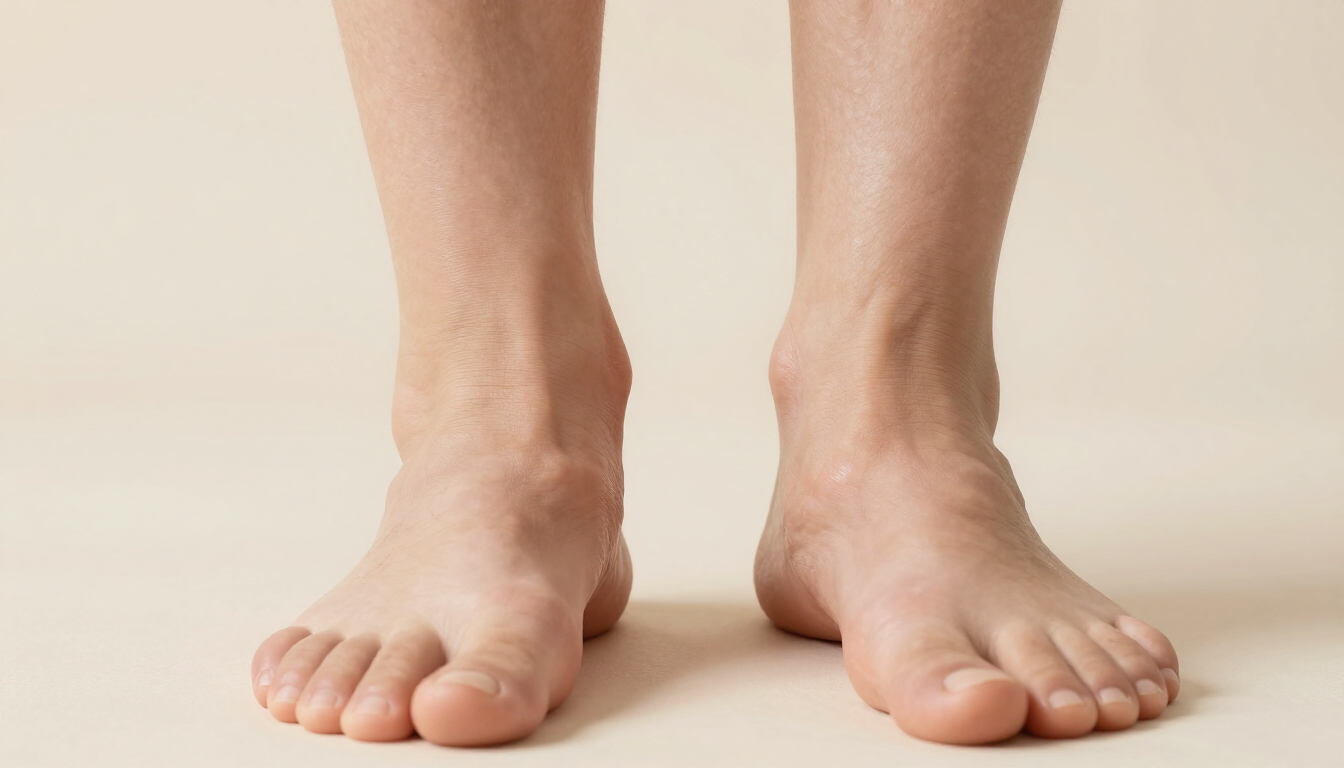

The Vein-Wound Connection: Why Chronic Leg Wounds Keep Coming Back
While lifestyle changes like reducing salt or moving more can help with minor edema, chronic swelling that doesn't resolve with elevation often points to a vascular condition. This is where a visit to One Vein Clinic becomes essential for a proper diagnosis.
Chronic leg wounds keep coming back most often because the underlying cause — usually venous insufficiency — was never treated, only the wound itself. When faulty vein valves allow blood to pool in the lower leg, the resulting pressure damages skin and tissue repeatedly, so even a wound that closes will often reopen in the same spot unless the vein problem is corrected.
What Is Venous Insufficiency, and Why Does It Cause Wounds?
Veins in your legs rely on one-way valves to push blood back up toward the heart against gravity. When those valves weaken or fail — a condition called venous insufficiency — blood pools in the lower leg instead of moving efficiently. Over time, that pooled blood raises pressure in the surrounding tissue, a process called venous hypertension, which damages the skin's ability to repair and protect itself.
This is why so many chronic leg wounds, especially those near the ankle, are actually venous ulcers — a direct downstream effect of a vein problem, not a random skin injury.
The Vein-Wound Cycle Explained
It's a pattern we see constantly: a wound develops, a patient (understandably) focuses on treating the wound with dressings and topical care, the wound closes, and then months later, a wound reopens in the same location. Without correcting the venous insufficiency driving the pressure and poor circulation, the skin in that area remains fragile and prone to breaking down again.
- Weakened vein valves → blood pools in the lower leg
- Pooled blood → increased pressure in surrounding tissue (venous hypertension)
- Increased pressure → skin breakdown, swelling, and poor healing capacity
- Wound heals on the surface → underlying vein problem still present → cycle repeats
Signs Your Wound May Be Vein-Related
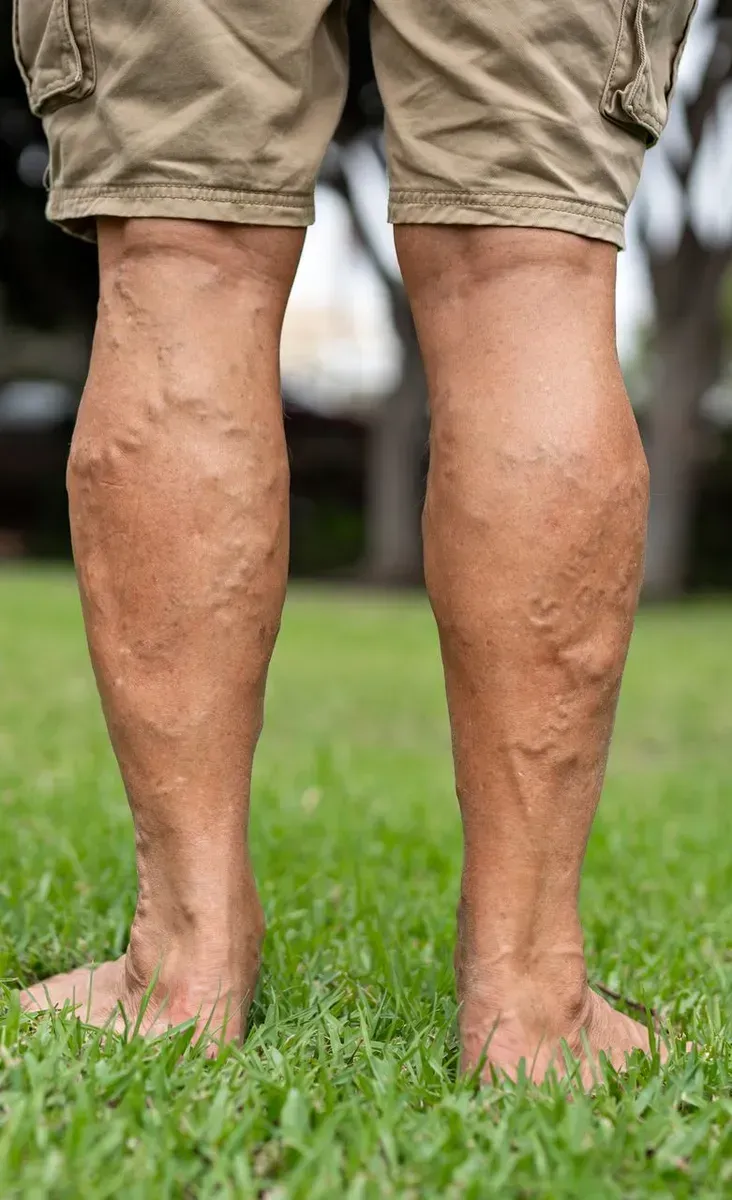
- The wound is located near the ankle or lower leg, not from an obvious injury
- You also notice leg swelling, aching, or heaviness
- Skin around the wound is discolored, thickened, or itchy
- The wound has healed and reopened before, sometimes more than once
- You've had varicose veins or a known history of vein problems
How Treating the Underlying Vein Breaks the Cycle
The most effective way to stop a chronic wound from returning is to treat the venous insufficiency causing it, alongside standard wound care. A diagnostic ultrasound can confirm whether faulty vein valves are contributing to your wound. If they are, minimally invasive treatments like endovenous laser ablation or radiofrequency ablation can correct blood flow in the affected vein — addressing the pressure problem at its source rather than only managing the symptom on the skin's surface.
Combined with proper wound care and compression therapy while healing, this root-cause approach gives the skin its best chance not just to heal, but to stay healed.
When to See a Specialist
If you have a leg wound that hasn't improved in 2–4 weeks, or one that has healed and returned before, it's worth having your veins evaluated — not just the wound itself. A vascular ultrasound is quick, painless, and can identify whether an underlying vein issue is part of the picture.