
Lymphedema vs Normal Swelling: When to See a Specialist

July 29, 2026

Share this article

Lymphedema is a chronic condition characterized by protein-rich fluid buildup due to a damaged or blocked lymphatic system, whereas normal swelling (edema) typically results from temporary fluid retention or minor injury. Unlike normal swelling, lymphedema requires specialized medical intervention to manage symptoms and prevent complications like skin fibrosis.

What is the main difference between lymphedema and normal swelling?

To the untrained eye, any swelling in the legs or arms might look the same. However, the physiological mechanisms behind lymphedema and standard edema are vastly different. Edema, or "normal swelling," is often a temporary reaction to factors like high salt intake, standing for long periods, or minor injuries. The fluid involved in edema is usually low in protein and can often be reduced by elevating the limb or wearing temporary compression.

Lymphedema, conversely, is a failure of the lymphatic system itself. This system acts as the body’s "waste management" network, moving fluid and waste products back into the bloodstream. When lymph nodes are damaged or vessels are blocked, protein-heavy fluid becomes trapped in the tissues. This protein acts like a magnet for more fluid, leading to a cycle of chronic inflammation and tissue scarring.

Key differences include:

  • Fluid Composition: Lymphedema involves protein-rich fluid; edema involves water-based fluid.
  • Persistence: Edema often fluctuates; lymphedema is persistent and progressive.
  • Skin Texture: Lymphedema often leads to skin thickening (fibrosis); edema usually leaves the skin soft.
  • Location: Lymphedema is frequently asymmetrical, affecting just one limb.

Understanding these distinctions is the first step for anyone seeking leg symptoms relief in Northeast Florida.

Human Lymphatic System Diagram

Common symptoms of lymphedema in the arms and legs

Identifying lymphedema early is critical for preventing the condition from advancing to more severe stages. While the most obvious sign is visible swelling, there are several subtle indicators that Ponte Vedra patients should watch for. Initially, you might notice that your jewelry, watch, or shoes feel tighter than usual, even if you haven't gained weight.

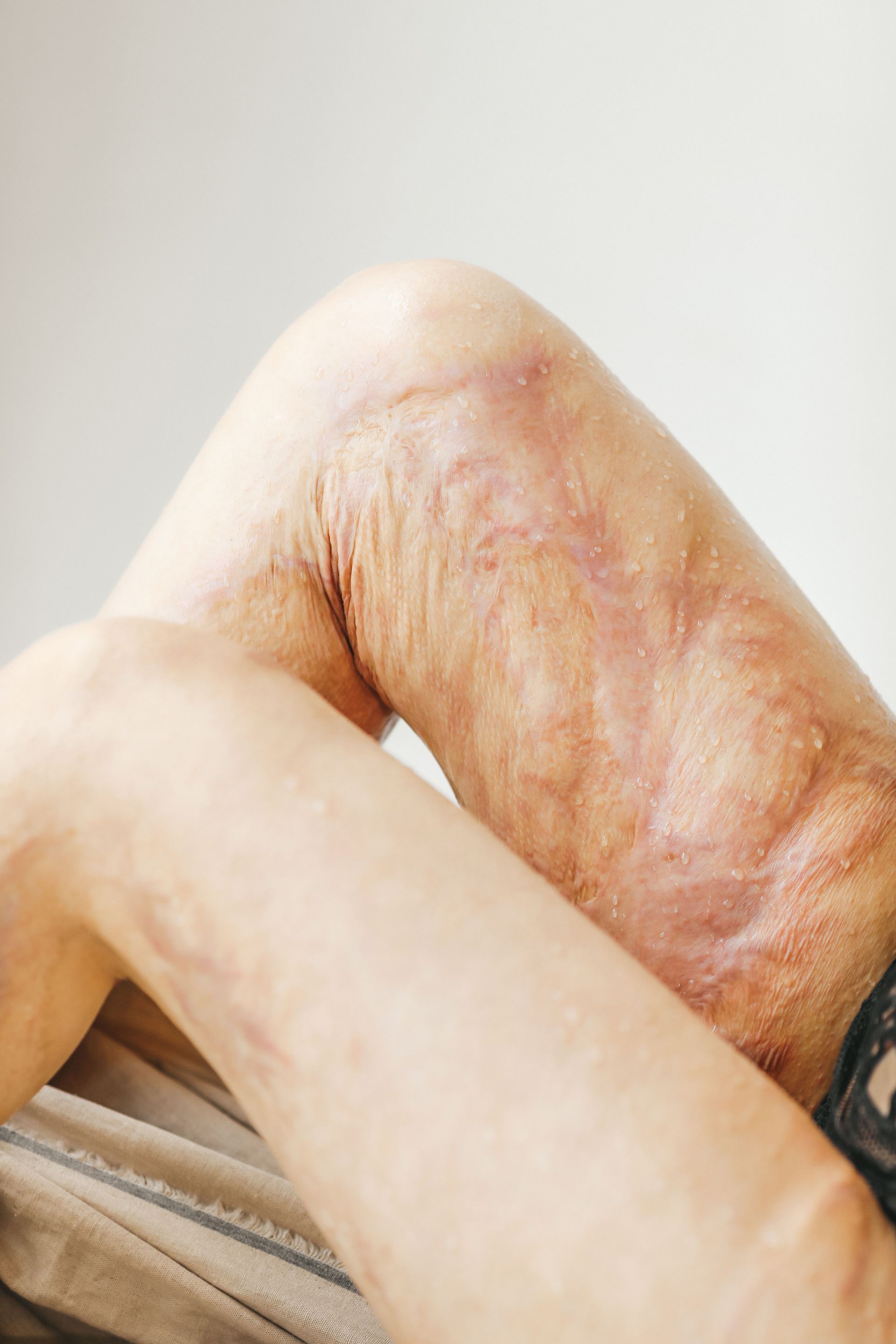
As the condition progresses, the limb may feel heavy, tight, or achy. Unlike normal swelling, which might "pit" easily when pressed (leaving an indentation), advanced lymphedema can cause the skin to feel hard or "woody." One specific diagnostic tool used by specialists is the Stemmer’s Sign. If you cannot pinch and lift the skin on the top of your second toe or middle finger, it is a strong clinical indicator of lymphedema.

Common physical changes include:

  • A feeling of fullness or heaviness in the affected limb.
  • Decreased flexibility in the wrist, ankle, or joints.
  • Recurring infections (cellulitis) in the swollen area.
  • Skin changes such as a leathery texture or wart-like growths.
  • Discomfort that does not improve significantly with overnight elevation.

Why does lymphedema happen after cancer surgery?

One of the most common causes of secondary lymphedema is cancer treatment. When surgeons remove lymph nodes to check for the spread of cancer, or when radiation therapy damages the remaining nodes, the body’s ability to drain fluid from that region is permanently compromised.

Breast cancer survivors frequently experience lymphedema in the arm, while those treated for pelvic cancers (like prostate, cervical, or melanoma) may experience it in the legs. It is important to note that lymphedema doesn't always appear immediately. It can develop months or even years after the completion of cancer treatment. This makes long-term monitoring essential for survivors in the St. Augustine and Ponte Vedra areas.

How does vein disease lead to lymphedema?

While cancer treatment is a primary cause, many patients develop chronic swelling due to varicose veins and chronic venous insufficiency (CVI). When the valves in your leg veins fail, blood pools in the lower extremities. This increases the pressure on the surrounding capillaries, forcing more fluid into the tissues.

Over time, the lymphatic system becomes overwhelmed by this constant excess fluid. Eventually, the lymphatic vessels themselves become damaged from the workload, leading to a hybrid condition known as phlebo-lymphedema. Treating the underlying vein disease is a critical component of managing this type of swelling, which is why a consultation at a specialized vein treatment center is so valuable.

Manual Lymphatic Drainage Therapy

Modern treatment options for chronic swelling

At One Vein Clinic, our approach to lymphedema focuses on a comprehensive strategy called Complete Decongestive Therapy (CDT). Because lymphedema is a chronic condition, the goal is to reduce the volume of the limb and then maintain that reduction through personalized care plans.

The gold standard of treatment includes:

  • Manual Lymphatic Drainage (MLD): A specialized, gentle massage technique that encourages the movement of lymph fluid toward healthy nodes.
  • Compression Therapy: The use of multi-layered bandages or custom-fit garments to provide external pressure and prevent fluid refilling.
  • Exercise: Specific movements that use the "muscle pump" to help move fluid out of the limb.
  • Skin Care: Meticulous hygiene to prevent bacterial and fungal infections, which are common in lymphedema patients.
  • Pneumatic Compression: The use of specialized pumps that can be used at home to assist with drainage.

When should Ponte Vedra patients see a specialist?

If you live in Ponte Vedra or the surrounding Jacksonville area and notice swelling that persists for more than a few days, you should not wait for it to "go away on its own." Early intervention can prevent the progression from Stage 1 (reversible swelling) to Stage 3 (elephantiasis), where the skin becomes severely deformed and the risk of infection is very high.

You should schedule an evaluation at our Ponte Verde Vein Clinic if:

  1. The swelling is restricted to one side of the body.
  2. You have a history of cancer surgery or radiation.
  3. The skin on your leg or arm is becoming thick, red, or hard.
  4. You experience frequent bouts of skin infections or "flushing."
  5. Elevation and rest do not return the limb to its normal size by morning.

Dr. Bassam G. Rizk and the team at One Vein Clinic provide the diagnostic expertise needed to differentiate between simple edema, vein-related swelling, and true lymphedema. We work closely with patients to create home management plans that fit their Florida lifestyle, ensuring they can stay active and comfortable.

Patient walking in Ponte Vedra

Summary of Lymphedema vs. Normal Swelling

Distinguishing between lymphedema and normal swelling is essential for receiving the correct treatment. Normal swelling (edema) is often a temporary symptom of lifestyle factors or minor venous issues, whereas lymphedema is a chronic, progressive condition resulting from a compromised lymphatic system. If you notice persistent heaviness, skin changes, or asymmetrical swelling—especially following surgery or cancer treatment—it is time to seek professional care. At One Vein Clinic, we offer advanced diagnostics and personalized treatment plans to help you regain comfort and mobility.

Key Takeaways:

  • Persistence Matters: If swelling doesn't improve with elevation, it may be lymphedema.
  • Identify the Cause: Cancer treatment and chronic vein disease are the leading triggers.
  • Early Action is Best: Specialized therapy can prevent permanent skin damage and infection.
  • Local Expertise: Residents of Ponte Vedra have access to dedicated care at One Vein Clinic .

If you are ready to address your chronic swelling, contact us today to schedule a consultation with Dr. Rizk

Recent Posts

Modern vein clinic interior in Florida
July 7, 2026
Ponte Vedra Beach residents choose minimally invasive vein treatments for quick recovery & personalized care. Contact One Vein Clinic today!
Specialist discussing vein treatment with a patient at One Vein Clinic in Florida.
July 2, 2026
Looking for the best vein clinic in Northeast Florida? Discover why patients in St. Augustine and Jacksonville trust One Vein Clinic for expert, minimally invasive vein care and advanced treatment options.
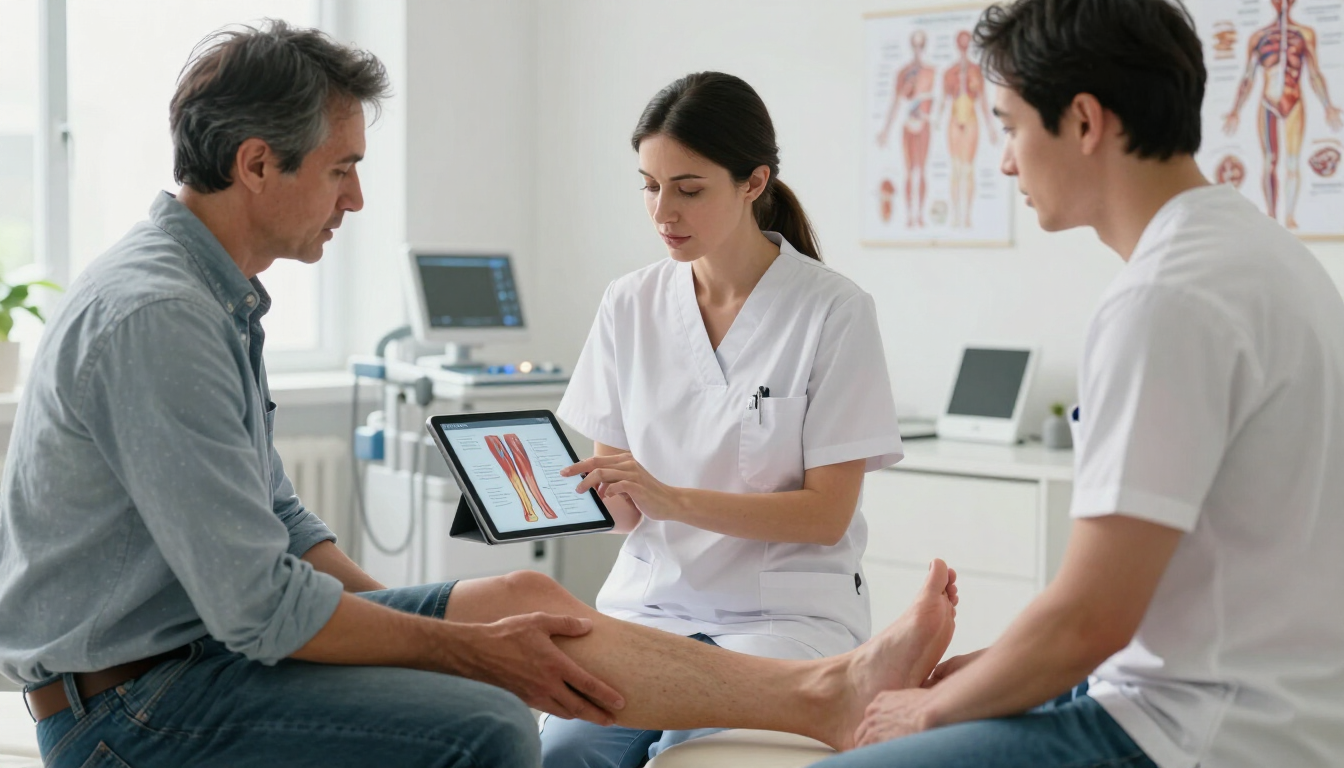
Vein specialist in St. Augustine examining patient for leg swelling
July 1, 2026
Are you experiencing persistent leg swelling? Learn about the causes like CVI and lymphedema, and when to visit a vein specialist in St. Augustine.
A professional medical environment focused on lymphatic and vein care.
June 1, 2026
Discover Lymphedema 101. Learn the causes, symptoms, and best management practices for chronic swelling from the specialists at One Vein Clinic.
Modern vein treatment diagnostic tools and clinical environment.
May 29, 2026
Guide to vein treatment for spider and varicose veins. Explore sclerotherapy and advanced care options at One Vein Clinic in Jacksonville and St. Augustine
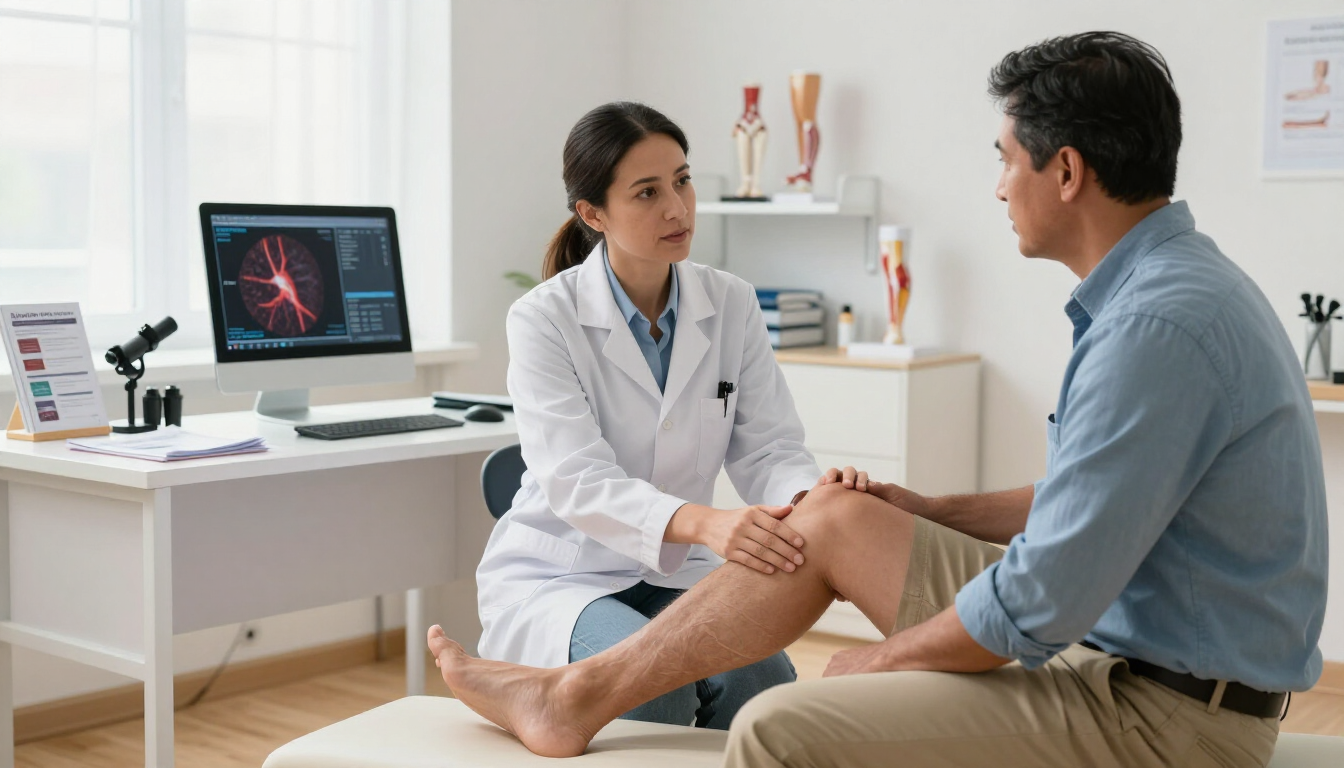
Healthy legs walking after varicose vein treatment
April 17, 2026
Discover the most popular varicose vein treatments, from EVLT to sclerotherapy. Learn how Dr. Bassam G. Rizk helps patients in St. Augustine and Jacksonville.
Medical professional performing sclerotherapy on a patient
April 17, 2026
Discover how sclerotherapy eliminates spider and varicose veins. Learn about the process, benefits, and recovery at One Vein Clinic in FL.
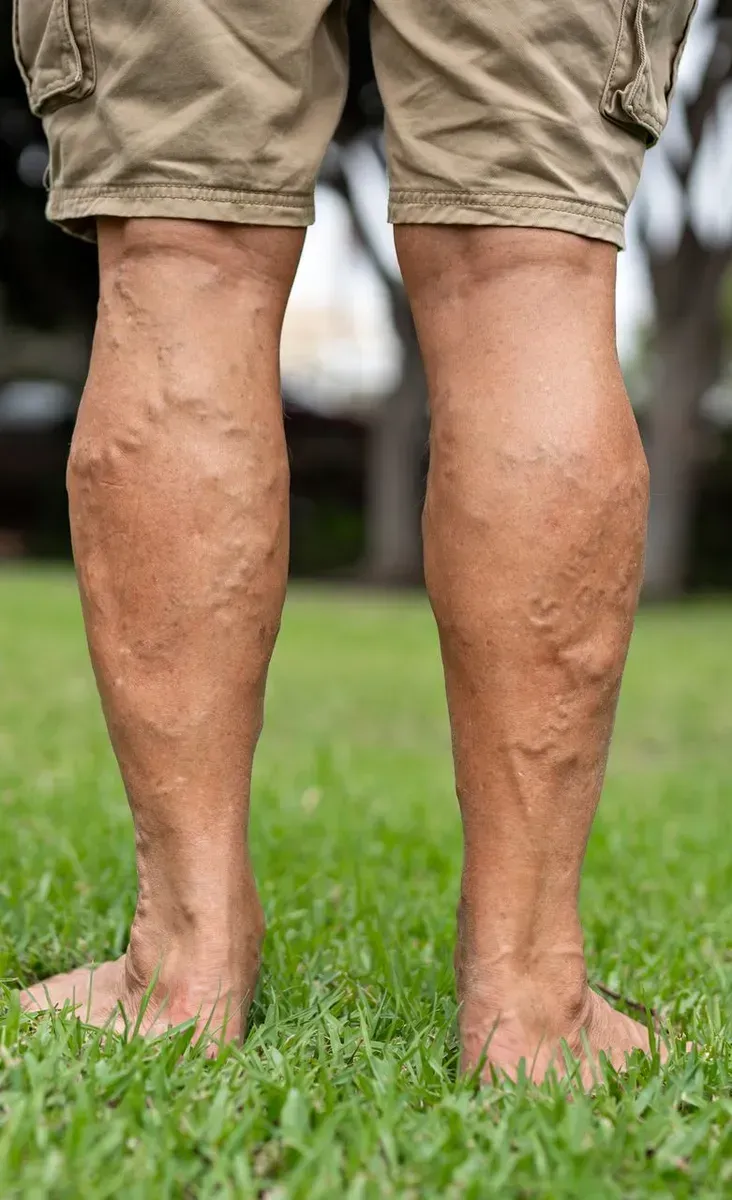
Close-up of bare lower legs and feet standing on grass, showing varicose veins.
January 26, 2026
Start the New Year with healthier legs! Explore vein treatment options for varicose & spider veins. Contact One Vein Clinic today!
Smiling woman with blonde hair and glasses against a textured wall
December 13, 2023
Meet Brenda, our Vascular Ultrasound Specialist. Experience compassionate care for varicose veins & leg pain at One Vein Clinic.
Show More